Henry Thomas Smart
Magnificat in B flat major
Released Album
Recent Album
Works Info
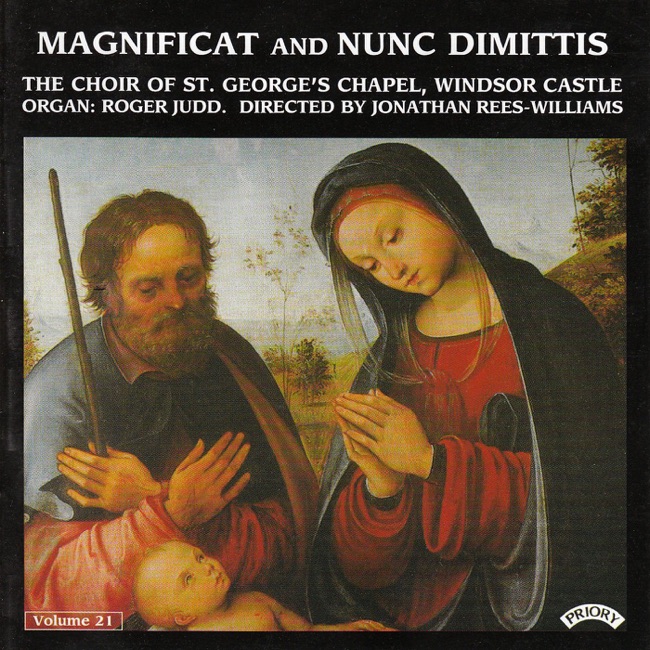
Composer:Henry Thomas SmartStyle:MagnificatAverage_duration:6:04Henry Thomas Smart's Magnificat in B flat major is a choral work that was composed in the 19th century. The piece was premiered in 1867 at St. Paul's Cathedral in London, England. The Magnificat is a hymn of praise that is traditionally sung during the evening prayer service in the Christian liturgy. The Magnificat in B flat major is divided into six movements, each of which is based on a different section of the Magnificat text. The first movement, "Magnificat anima mea Dominum," is a joyful and exuberant opening that sets the tone for the rest of the piece. The second movement, "Et exultavit spiritus meus," is a more subdued and introspective section that features a solo soprano voice. The third movement, "Quia respexit humilitatem," is a gentle and tender section that features the choir singing in unison. The fourth movement, "Quia fecit mihi magna," is a lively and energetic section that features the choir singing in harmony. The fifth movement, "Et misericordia eius," is a peaceful and contemplative section that features a solo alto voice. The final movement, "Gloria Patri," is a triumphant and celebratory section that brings the piece to a rousing conclusion. The Magnificat in B flat major is characterized by its rich harmonies, lush textures, and expressive melodies. Smart's use of choral and solo voices creates a dynamic and varied sound that captures the emotional range of the Magnificat text. The piece is also notable for its use of traditional choral techniques, such as antiphonal singing and call-and-response patterns. Overall, the Magnificat in B flat major is a masterful choral work that showcases Smart's skill as a composer. Its timeless themes of praise and gratitude continue to resonate with audiences today, making it a beloved piece of sacred music.More....
Works Music
Released Music