Philippe Gaubert
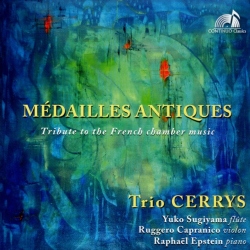
Médailles antiques
Released Album
Recent Album
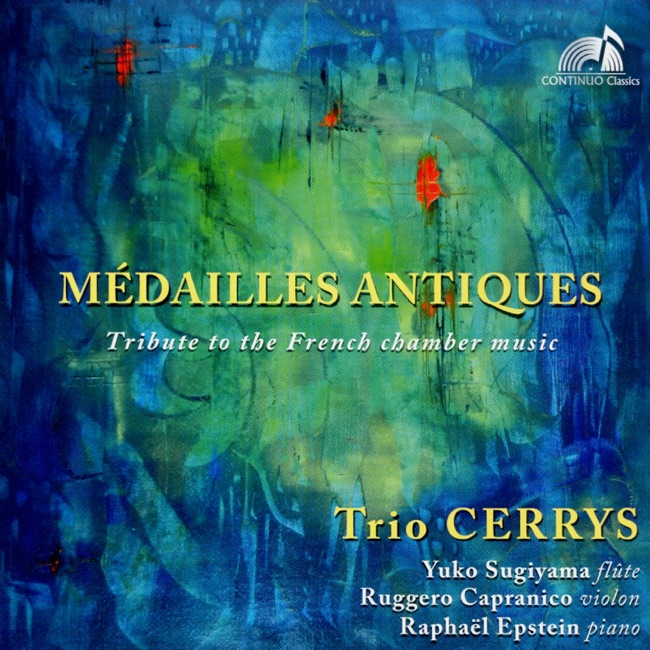
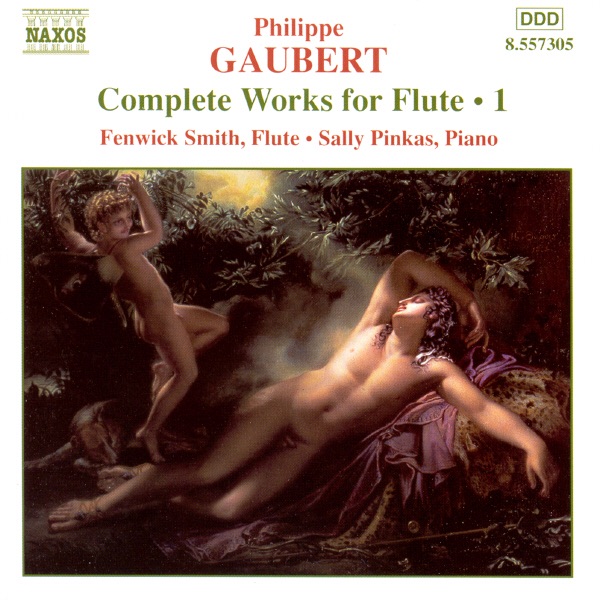
Featured Album
Works Info
Composer:Philippe GaubertGenre:ChamberStyle:Chamber MusicCompose Date:1916"Médailles antiques" is a composition for flute, oboe, clarinet, bassoon, and piano by French composer Philippe Gaubert. It was composed in 1913 and premiered on January 22, 1914, at the Société Nationale de Musique in Paris. The piece is divided into three movements, each of which is named after a different ancient Greek coin. The first movement, "Tétradrachme," is marked Allegro moderato and is characterized by its lively and playful melody. The second movement, "Didrachme," is marked Andante and is more contemplative in nature, with a hauntingly beautiful melody played by the oboe. The final movement, "Drachme," is marked Allegro and is the most energetic of the three, with a lively and rhythmic melody that showcases the virtuosity of the performers. One of the most notable characteristics of "Médailles antiques" is its use of ancient Greek coins as inspiration for each movement. Gaubert was known for his interest in ancient history and mythology, and this piece is a testament to his fascination with the ancient world. The use of coins as inspiration also reflects Gaubert's interest in numismatics, the study of coins and currency. Another characteristic of the piece is its use of the piano as a solo instrument. Gaubert was a renowned flutist and conductor, but he was also an accomplished pianist. In "Médailles antiques," he gives the piano a prominent role, allowing it to shine alongside the wind instruments. Overall, "Médailles antiques" is a charming and engaging piece of chamber music that showcases Gaubert's skill as a composer and his love of ancient history. Its use of ancient Greek coins as inspiration gives it a unique and memorable character, and its lively melodies and virtuosic passages make it a joy to listen to.More....
Works Music
Released Music

Featured Music