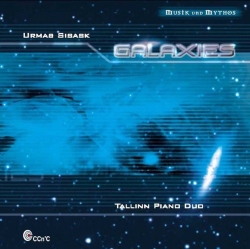
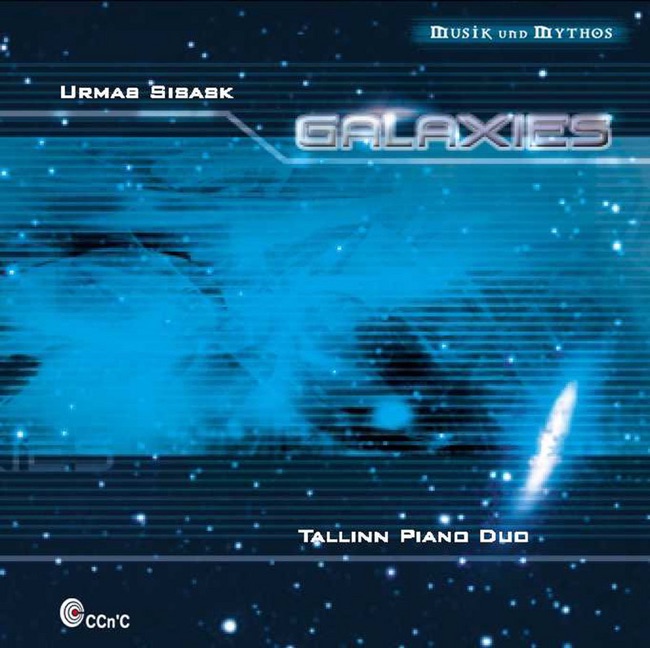
Urmas Sisask
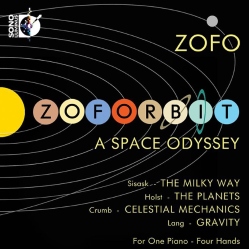
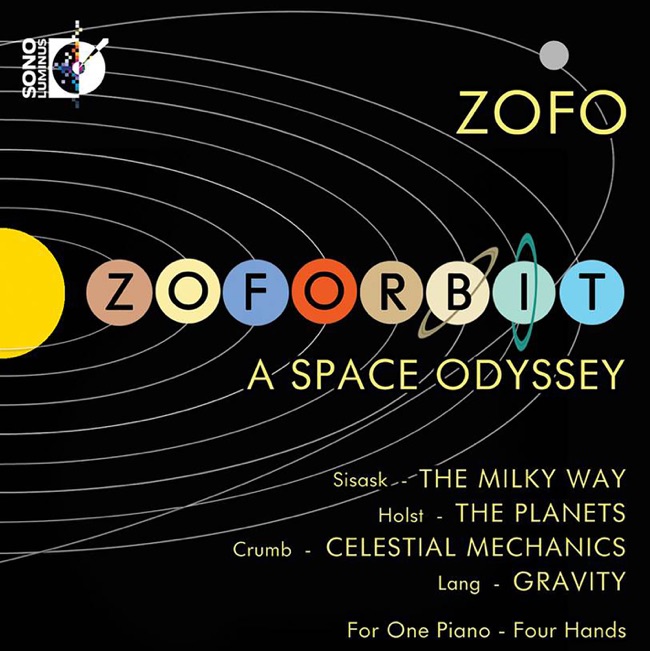
The Milky Way, sonata for 2 pianos, Op. 24
Released Album
Recent Album
Works Info
Composer:Urmas SisaskGenre:KeyboardAverage_duration:19:14Movement_count:2Movement ....Urmas Sisask's 'The Milky Way, sonata for 2 pianos, Op. 24' is a contemporary classical composition that premiered in 1990. The sonata is divided into four movements, each of which is inspired by the cosmos and the Milky Way galaxy. The first movement, titled 'The Birth of the Milky Way,' is a slow and contemplative piece that evokes the creation of the galaxy. The pianos play in unison, creating a sense of unity and harmony. The movement is characterized by its use of sustained chords and arpeggios, which create a sense of space and depth. The second movement, 'The Spiral Arms,' is a lively and energetic piece that represents the swirling arms of the Milky Way. The pianos play in a call-and-response style, with each piano taking turns playing the main melody. The movement is characterized by its use of syncopated rhythms and fast, intricate runs. The third movement, 'The Black Hole,' is a dark and brooding piece that represents the mysterious and powerful force of a black hole. The pianos play in a dissonant and angular style, creating a sense of tension and unease. The movement is characterized by its use of clusters and dissonant harmonies. The final movement, 'The Starry Sky,' is a majestic and uplifting piece that represents the beauty and wonder of the cosmos. The pianos play in a grand and sweeping style, with soaring melodies and cascading arpeggios. The movement is characterized by its use of open harmonies and expansive textures. Overall, 'The Milky Way, sonata for 2 pianos, Op. 24' is a stunning and evocative work that captures the awe-inspiring nature of the cosmos. Sisask's use of harmony, rhythm, and texture creates a sense of space and depth, while his melodies and themes evoke the majesty and mystery of the universe.More....
Works Music
Released Music