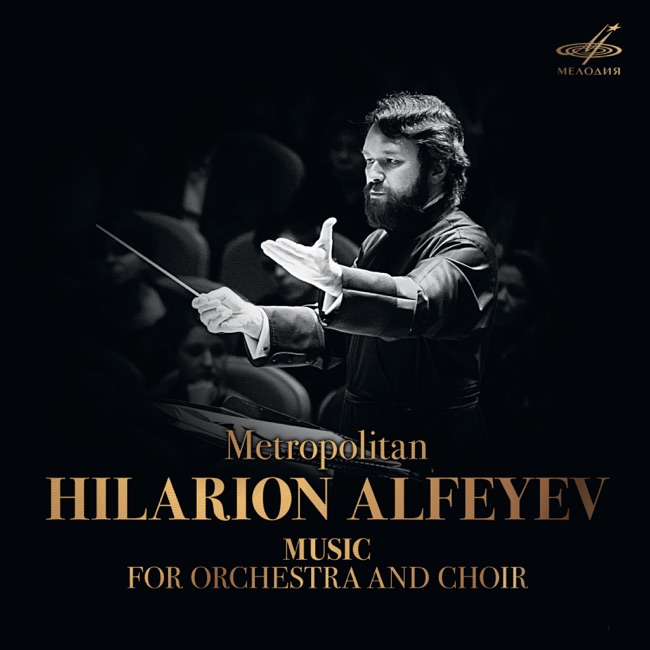
Hilarion Alfeyev
Stabat Mater
Released Album
Recent Album
Works Info
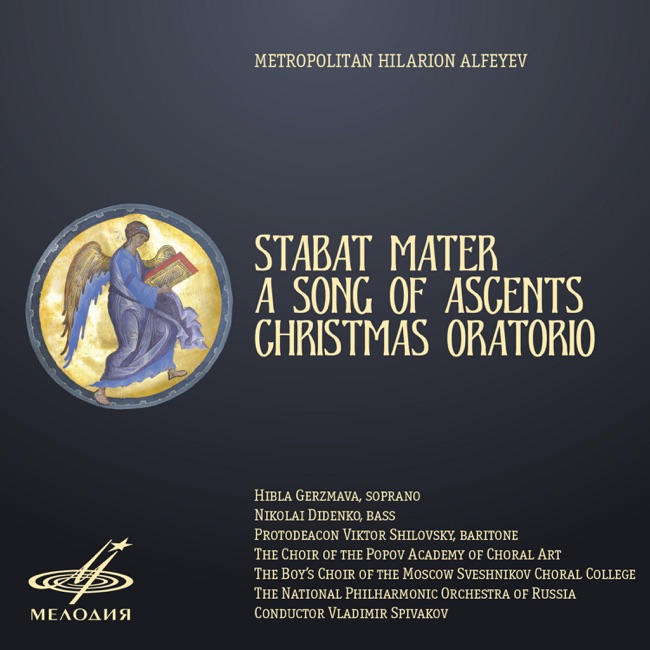
Composer:Hilarion AlfeyevGenre:VocalCompose Date:2008-2011Average_duration:22:23Movement_count:4Movement ....Stabat Mater is a choral work composed by Hilarion Alfeyev, a Russian Orthodox bishop and composer. The piece was composed in 2005 and premiered in Moscow in the same year. It is a setting of the medieval Latin hymn of the same name, which describes the sorrow of Mary as she stands at the foot of the cross of her son, Jesus. The work is divided into ten movements, each of which reflects a different aspect of Mary's grief. The first movement, "Stabat Mater dolorosa," sets the scene with a mournful melody sung by the choir. The second movement, "Cuius animam gementem," features a solo soprano singing a plaintive melody over a simple accompaniment. The third movement, "Quis est homo," is a duet for soprano and alto that expresses the wonder and horror of the crucifixion. The fourth movement, "Eia, Mater, fons amoris," is a prayer to Mary, asking for her intercession and comfort. The fifth movement, "Sancta Mater, istud agas," is a plea for Mary to help us to understand the depth of her sorrow. The sixth movement, "Fac, ut ardeat cor meum," is a prayer for the fire of love to burn in our hearts as it did in Mary's. The seventh movement, "Tui Nati vulnerati," is a meditation on the wounds of Christ and the pain they caused Mary. The eighth movement, "Fac me vere tecum flere," is a prayer to be able to weep with Mary at the foot of the cross. The ninth movement, "Virgo virginum praeclara," is a hymn of praise to Mary as the most glorious of all virgins. The final movement, "Fac ut portem Christi mortem," is a prayer to be able to bear the death of Christ with the same faith and courage as Mary. The work ends with a reprise of the opening movement, bringing the piece full circle. The music of Stabat Mater is characterized by its simplicity and directness. The melodies are often chant-like, with a clear and unadorned beauty. The harmonies are mostly diatonic, with occasional moments of chromaticism to add color and depth. The overall effect is one of solemnity and reverence, perfectly suited to the subject matter. In conclusion, Stabat Mater is a powerful and moving work that captures the depth of Mary's grief at the crucifixion of her son. Through its ten movements, it takes the listener on a journey of sorrow, prayer, and ultimately, hope. Alfeyev's music is a testament to the enduring power of this ancient hymn, and a fitting tribute to the mother of Christ.More....
Works Music
Released Music