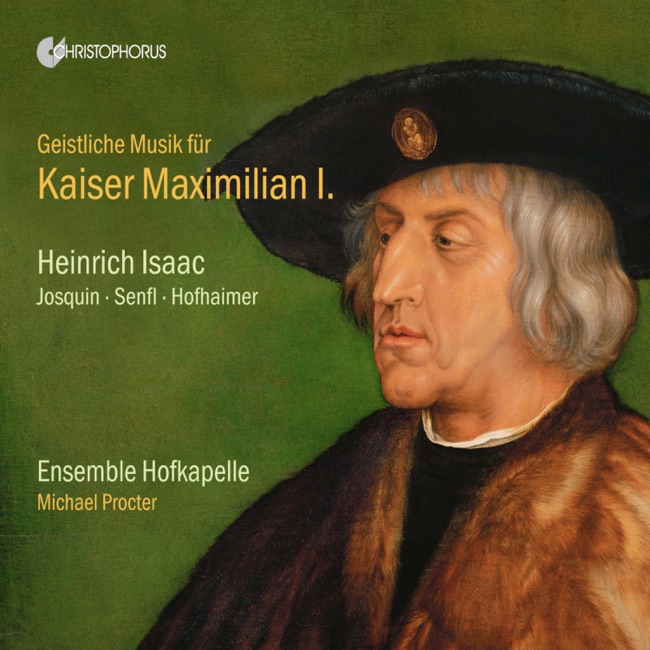
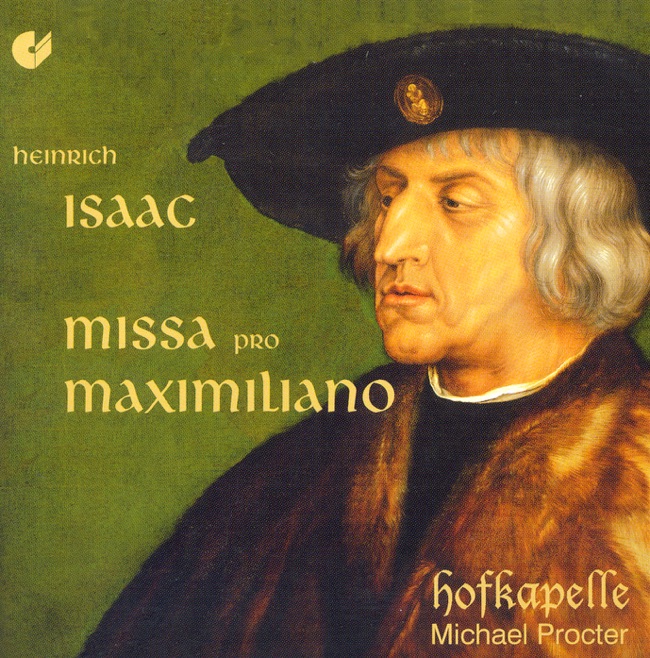
Heinrich Isaac
Missa de Beata Virgine, mass for 4 voices
Released Album
Recent Album
Works Info
Composer:Heinrich IsaacGenre:ChoralStyle:ChoralAverage_duration:20:33Heinrich Isaac's 'Missa de Beata Virgine' is a polyphonic mass for four voices, composed in the late 15th century. The exact date of composition is unknown, but it is believed to have been written during Isaac's tenure as court composer for the Medici family in Florence, Italy. The mass is considered one of Isaac's most significant works and is a prime example of the late Renaissance style. The 'Missa de Beata Virgine' is comprised of six movements: Kyrie, Gloria, Credo, Sanctus, Benedictus, and Agnus Dei. Each movement is written in a different key and features a unique musical structure. The Kyrie is in three parts, with the first and third sections being homophonic and the middle section being polyphonic. The Gloria is in four parts and features a lively and joyful character, with the use of syncopation and rhythmic complexity. The Credo is the longest movement, with a duration of over ten minutes, and is written in six parts. It features a variety of textures, including homophonic and polyphonic sections, and is characterized by its grandeur and solemnity. The Sanctus is in three parts and features a simple and elegant melody, while the Benedictus is in four parts and features a more complex and ornate melody. The final movement, the Agnus Dei, is in three parts and is characterized by its peaceful and contemplative character. The 'Missa de Beata Virgine' is notable for its use of imitation and counterpoint, which are hallmarks of the late Renaissance style. The mass also features a variety of textures, from homophonic to polyphonic, and a range of dynamics, from soft and gentle to loud and powerful. The use of dissonance and chromaticism is also prominent throughout the work, adding to its complexity and richness. The 'Missa de Beata Virgine' premiered in Florence, Italy, during Isaac's time as court composer for the Medici family. It quickly gained popularity and was widely performed throughout Europe during the Renaissance period. Today, it is considered a masterpiece of Renaissance choral music and is still performed and recorded by choirs around the world.More....
Works Music
Released Music