Franz Liszt
Hussitenlied, S. 234 (LW A67)
Released Album
Recent Album
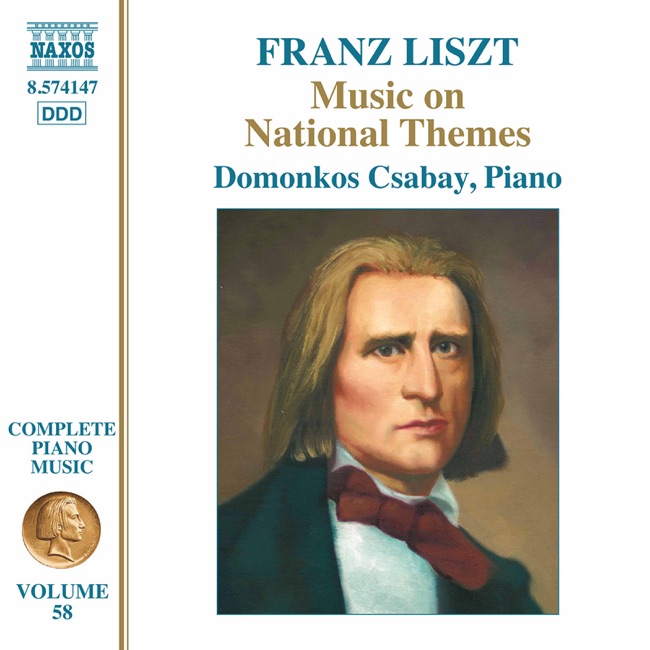
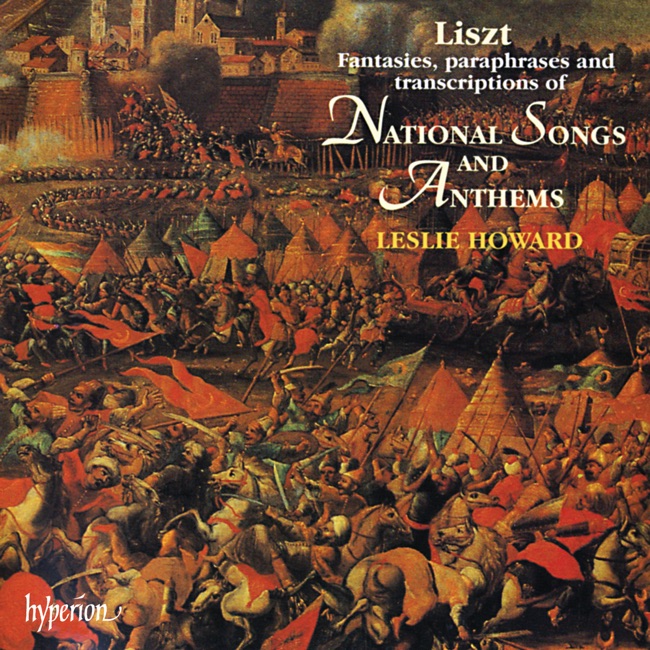

Works Info
Composer:Franz LisztGenre:KeyboardStyle:KeyboardCompose Date:1840Publication Date:1840Average_duration:7:37'Hussitenlied, S. 234 (LW A67)' is a choral work composed by Franz Liszt in 1851. It was premiered on August 17, 1852, in Weimar, Germany, under the direction of Liszt himself. The work is divided into three movements and is based on a poem by the German writer Ludwig Uhland. The first movement, titled "Hussitenlied," is a powerful and dramatic choral setting of Uhland's poem. The music is characterized by driving rhythms, bold harmonies, and soaring melodies. The choir sings of the Hussites, a medieval religious movement that fought against the Catholic Church and the Holy Roman Empire. The music captures the spirit of the Hussites' struggle, with its fierce determination and unyielding faith. The second movement, titled "Die heilige Elisabeth," is a more subdued and introspective setting of another of Uhland's poems. The music is characterized by gentle, flowing melodies and delicate harmonies. The choir sings of St. Elizabeth of Hungary, a medieval saint known for her compassion and charity. The music captures the saint's spirit of selflessness and devotion. The third movement, titled "Chor der Engel," is a majestic and uplifting choral setting of a poem by the German poet Friedrich Schiller. The music is characterized by grand, sweeping melodies and rich harmonies. The choir sings of the angels, praising God and proclaiming his glory. The music captures the awe-inspiring majesty of the divine. Overall, 'Hussitenlied, S. 234 (LW A67)' is a powerful and moving choral work that showcases Liszt's skill as a composer and his deep spiritual and artistic sensibilities. Its three movements offer a rich and varied musical experience, ranging from the dramatic and intense to the gentle and introspective to the majestic and uplifting. It remains a beloved and frequently performed work in the choral repertoire.More....