Ludwig van Beethoven
Canon in 4 parts in C major, WoO 160/2
Released Album
Recent Album
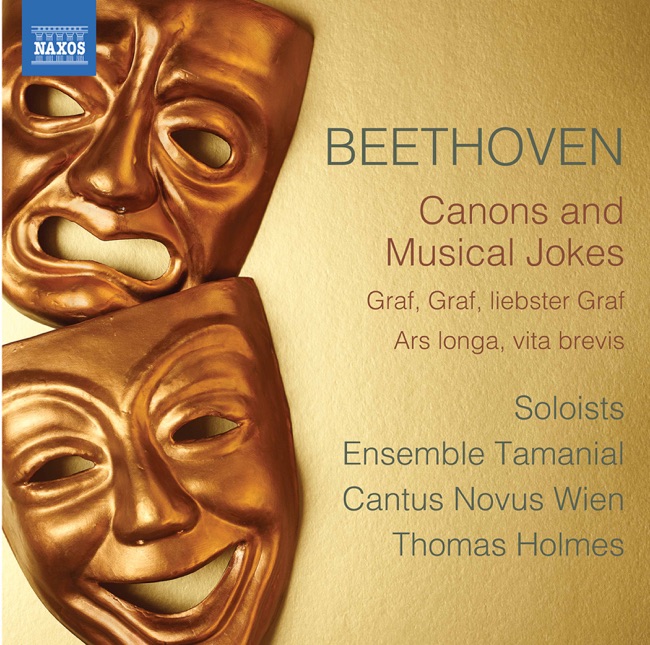
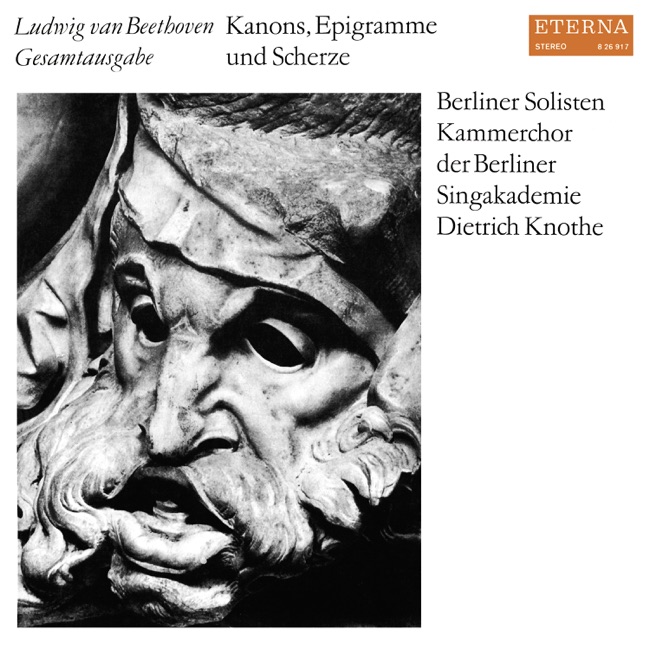

Works Info
Composer:Ludwig van BeethovenGenre:ChamberStyle:CanonCompose Date:1795Average_duration:1:16Ludwig van Beethoven's 'Canon in 4 parts in C major, WoO 160/2' is a short but beautiful piece of music that was composed in 1826, just a few years before the composer's death. The piece was not published during Beethoven's lifetime, and it was only discovered in the composer's sketchbooks after his death. The 'Canon in 4 parts in C major' is a four-part canon, which means that the melody is repeated by each voice in turn, creating a layered effect. The canon is written in C major, which is a bright and cheerful key that is often associated with happiness and joy. The piece is made up of three movements, each of which is relatively short. The first movement is a simple and straightforward canon, with each voice entering one after the other. The second movement is more complex, with the voices overlapping and interweaving in a more intricate pattern. The third movement is a return to the simplicity of the first movement, with each voice entering in turn. One of the most striking characteristics of the 'Canon in 4 parts in C major' is its simplicity. Beethoven was known for his complex and innovative compositions, but this piece is a departure from that style. Instead, it is a gentle and peaceful work that is easy on the ears and soothing to the soul. Another characteristic of the piece is its use of counterpoint. Counterpoint is a technique in which two or more melodies are played simultaneously, creating a rich and complex texture. Beethoven was a master of counterpoint, and he uses it to great effect in this piece. Overall, the 'Canon in 4 parts in C major, WoO 160/2' is a beautiful and understated work that showcases Beethoven's skill as a composer. Despite its simplicity, it is a piece that is full of depth and emotion, and it is a testament to the enduring power of Beethoven's music.More....
Works Music
Released Music
2

1:16
3
1:16