Théodore Salomé
Canon for organ, No. 3 in F major
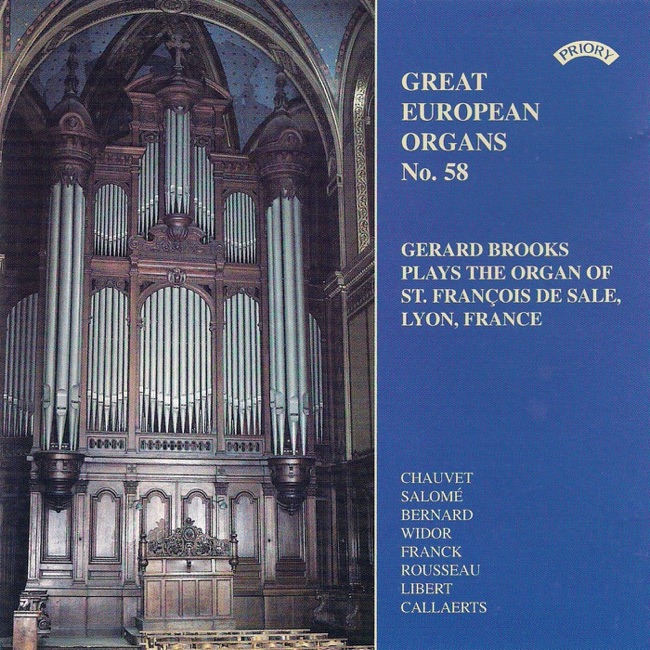
Works Info
Composer:Théodore SaloméGenre:KeyboardStyle:CanonCompose Date:1880Average_duration:3:05Théodore Salomé's Canon for organ, No. 3 in F major, is a beautiful piece of music that was composed in the late 19th century. The piece was first premiered in 1895 and has since become a popular choice for organists around the world. The Canon for organ, No. 3 in F major, is a three-movement piece that showcases Salomé's mastery of counterpoint and harmony. The first movement is marked "Andante con moto" and features a simple, yet elegant melody that is passed between the hands of the organist. The second movement is marked "Adagio" and is a more contemplative piece that explores the darker, more introspective side of the F major key. The final movement is marked "Allegro" and is a lively, energetic piece that brings the entire work to a thrilling conclusion. One of the most notable characteristics of Salomé's Canon for organ, No. 3 in F major, is its use of canon. A canon is a musical form in which a melody is repeated by different voices or instruments at different times, creating a layered, complex texture. Salomé's use of canon in this piece is particularly effective, as it allows him to create intricate, interweaving melodies that build to a powerful climax. Another characteristic of Salomé's Canon for organ, No. 3 in F major, is its use of harmony. Salomé was a master of harmony, and this piece is a testament to his skill. The harmonies in this piece are rich and complex, creating a sense of depth and complexity that is both beautiful and awe-inspiring. Overall, Théodore Salomé's Canon for organ, No. 3 in F major, is a stunning piece of music that showcases the composer's mastery of counterpoint, harmony, and form. Its three movements are each unique and beautiful in their own way, and the piece as a whole is a testament to Salomé's skill as a composer.More....
Works Music
Released Music