Sigismondo d'India
Ancidetemi Pur, Dogliosi Affanni
Released Album
Recent Album
Works Info
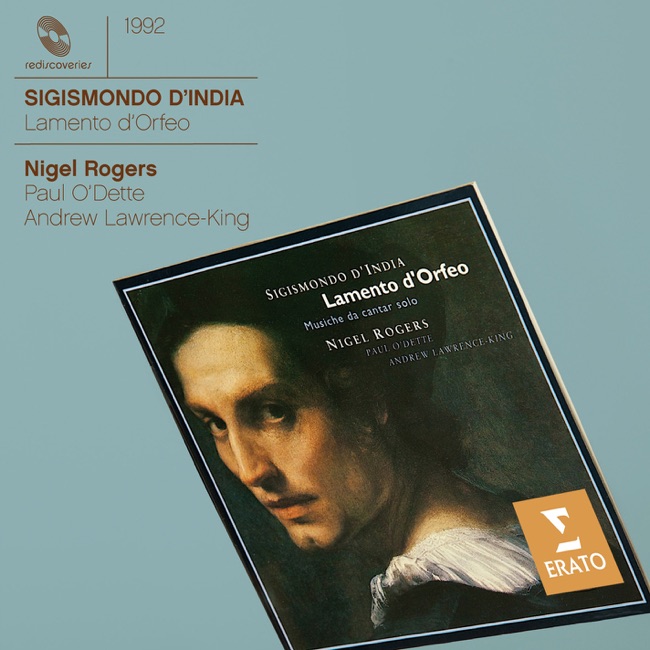
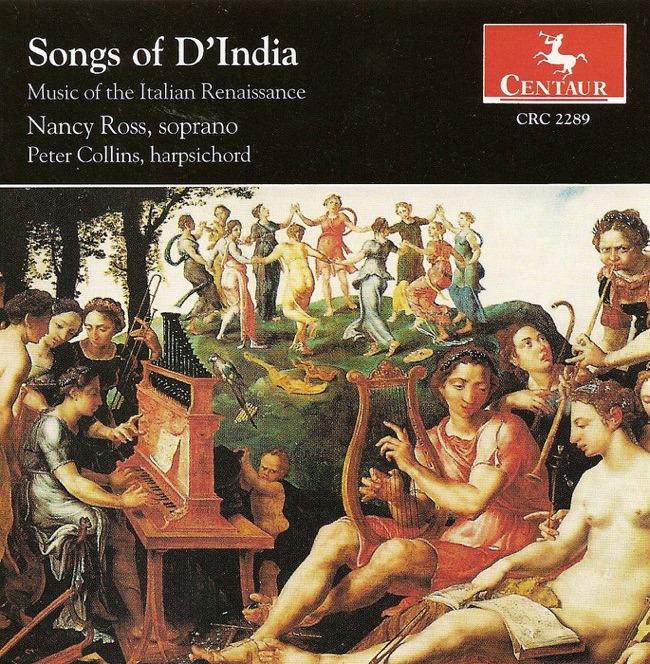
Composer:Sigismondo d'IndiaGenre:VocalStyle:Vocal MusicAverage_duration:7:08Sigismondo d'India was an Italian composer of the early Baroque period, known for his contributions to the development of the monody style of vocal music. One of his most famous works is the madrigal "Ancidetemi Pur, Dogliosi Affanni," which was composed in the early 17th century. The madrigal is a setting of a text by the poet Giovanni Battista Guarini, and it tells the story of a lover who is tormented by his unrequited love for a woman named Clori. The piece is divided into three movements, each of which explores a different aspect of the lover's emotional state. The first movement, "Ancidetemi Pur," is a lament in which the lover expresses his despair and anguish at being rejected by Clori. The music is characterized by its slow, mournful tempo and its use of dissonant harmonies to convey the lover's sense of pain and suffering. The second movement, "Dogliosi Affanni," is a more upbeat and energetic section that reflects the lover's determination to win Clori's love. The music is marked by its lively rhythms and its use of melodic repetition to create a sense of urgency and intensity. The final movement, "Occhi, Che Foste Cagione," is a reflective and introspective section in which the lover contemplates the nature of his love for Clori. The music is characterized by its gentle, flowing melodies and its use of chromatic harmonies to create a sense of ambiguity and uncertainty. Overall, "Ancidetemi Pur, Dogliosi Affanni" is a powerful and emotionally charged work that showcases d'India's skill as a composer of vocal music. Its use of expressive harmonies, intricate melodies, and vivid imagery make it a masterpiece of the early Baroque period. The piece premiered in the early 17th century and has since become a staple of the vocal repertoire.More....
Works Music