Louis Couperin
Sarabande in D minor (Pièces de clavecin, No. 46)
Released Album
Recent Album
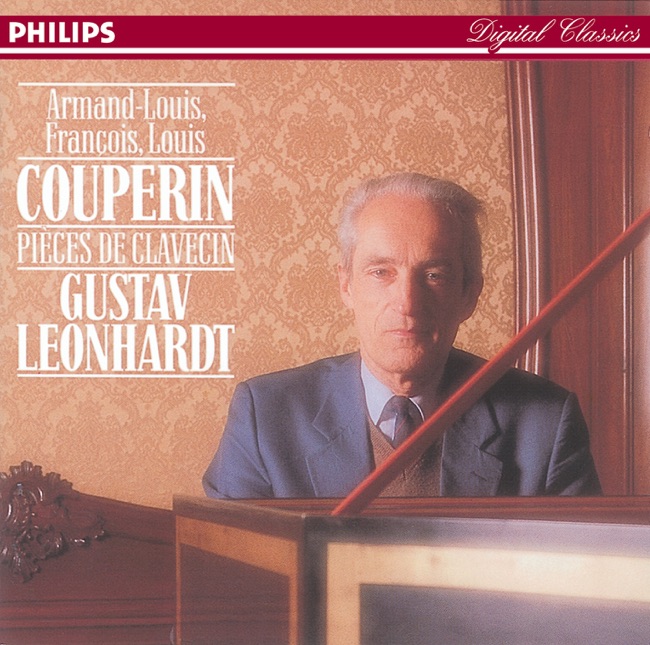
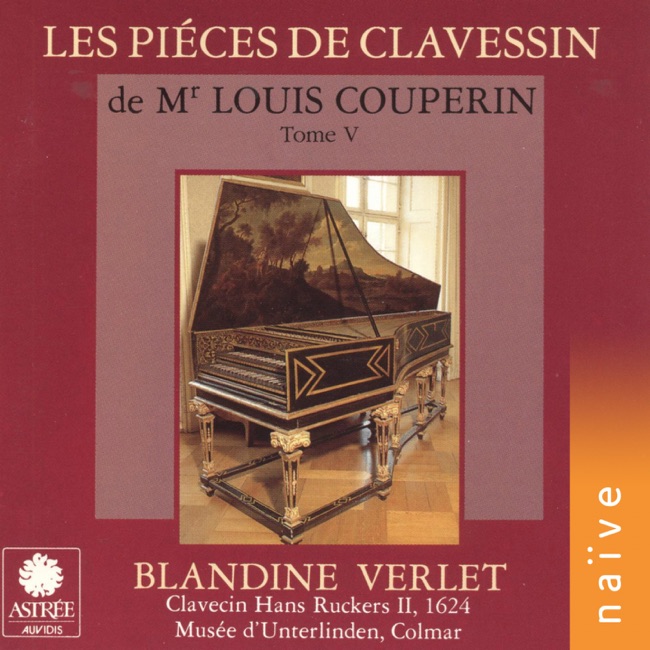
Works Info
Composer:Louis CouperinGenre:KeyboardStyle:KeyboardAverage_duration:1:55Louis Couperin was a French Baroque composer and harpsichordist who lived from 1626 to 1661. He was a member of a famous musical family that included his cousin, the more well-known François Couperin. Louis Couperin's music was highly regarded during his lifetime, but much of it was lost over the years. However, some of his works have survived, including his "Sarabande in D minor," which is part of his "Pièces de clavecin" collection. The "Sarabande in D minor" is believed to have been composed in the mid-17th century, although the exact date is unknown. It is one of the 220 pieces that make up Couperin's "Pièces de clavecin," which is a collection of harpsichord music that was published posthumously in 1713. The "Sarabande in D minor" is the 46th piece in the collection. The "Sarabande in D minor" is a slow, stately dance that was popular in the Baroque era. It is written in 3/2 time and has a melancholy, introspective quality. The piece is characterized by its use of ornamentation, which was a hallmark of Baroque music. The melody is simple and repetitive, but it is decorated with trills, mordents, and other embellishments that give it a rich, complex texture. The "Sarabande in D minor" is divided into two sections, each of which is repeated. The first section is in D minor and features a descending bass line that creates a sense of gravity and sadness. The second section is in D major and provides a contrast to the first section with its brighter, more hopeful tone. The piece ends with a return to the D minor key and a final, mournful chord. Overall, the "Sarabande in D minor" is a beautiful example of Baroque harpsichord music. It showcases Louis Couperin's skill as a composer and his ability to create a rich, expressive piece of music using only a few simple elements. Despite its age, the piece remains popular with musicians and audiences today, and it continues to be studied and performed by harpsichordists around the world.More....
Works Music