Francisco Guerrero
Quae est ista formosa?
Released Album
Recent Album
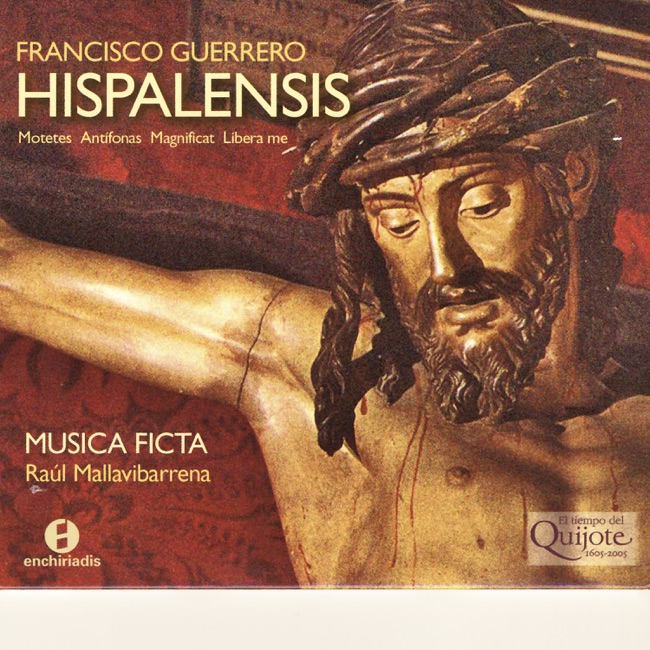
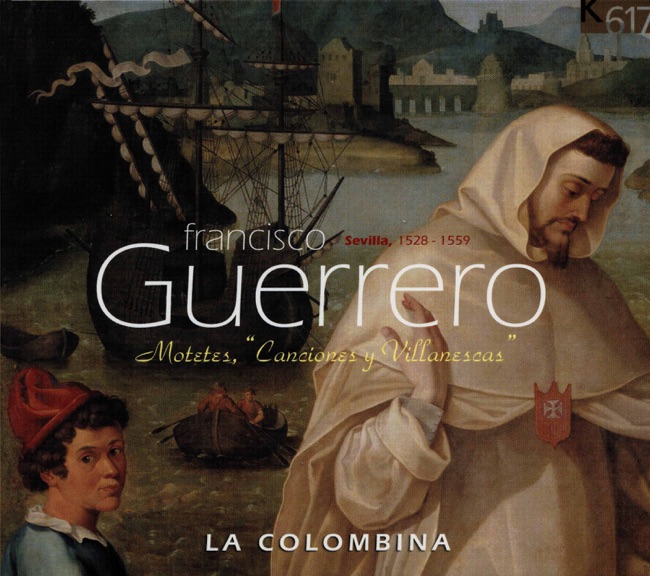

Featured Album
Works Info
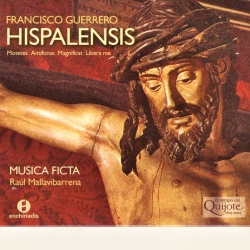
Composer:Francisco GuerreroGenre:ChoralStyle:ChoralAverage_duration:5:26"Quae est ista formosa?" is a sacred motet composed by Francisco Guerrero, a Spanish composer of the Renaissance period. The piece was composed in the late 16th century, around 1570. It is a six-voice motet, which was premiered in the Royal Chapel of Madrid, where Guerrero served as a chapel master. The motet is based on a text from the Song of Solomon, a book of the Old Testament. The text describes the beauty of the beloved, who is compared to a flock of sheep and a dove. Guerrero's setting of the text is characterized by its rich harmonies, expressive melodies, and intricate polyphony. The piece is divided into three movements, each of which explores a different aspect of the text. The first movement begins with a lively and rhythmic section, in which the choir sings the words "Quae est ista formosa?" ("Who is this beautiful one?"). The music is characterized by its syncopated rhythms and lively counterpoint, which create a sense of joyful anticipation. The second movement is more contemplative in nature, with the choir singing a slower and more expressive melody. The text describes the beloved as "fair as the moon, bright as the sun," and Guerrero's music captures the beauty and radiance of these images. The harmonies are rich and complex, with the voices weaving in and out of each other in a delicate and intricate web of sound. The final movement returns to the lively and rhythmic character of the first, with the choir singing the words "Descendi in hortum meum" ("I went down into my garden"). The music is characterized by its energetic rhythms and lively counterpoint, which create a sense of joy and celebration. The piece ends with a triumphant flourish, as the choir sings the final words "Ut foveam dilectum meum" ("That I may embrace my beloved"). Overall, "Quae est ista formosa?" is a beautiful and expressive motet that showcases Guerrero's mastery of polyphony and his ability to capture the beauty and emotion of the text. Its rich harmonies, expressive melodies, and intricate polyphony make it a masterpiece of the Renaissance period, and a testament to Guerrero's skill as a composer.More....
Works Music
Released Music
Featured Music