Henry John Gauntlett
Psalm 119 vv.81-88 Defecit anima mea
Released Album
Recent Album
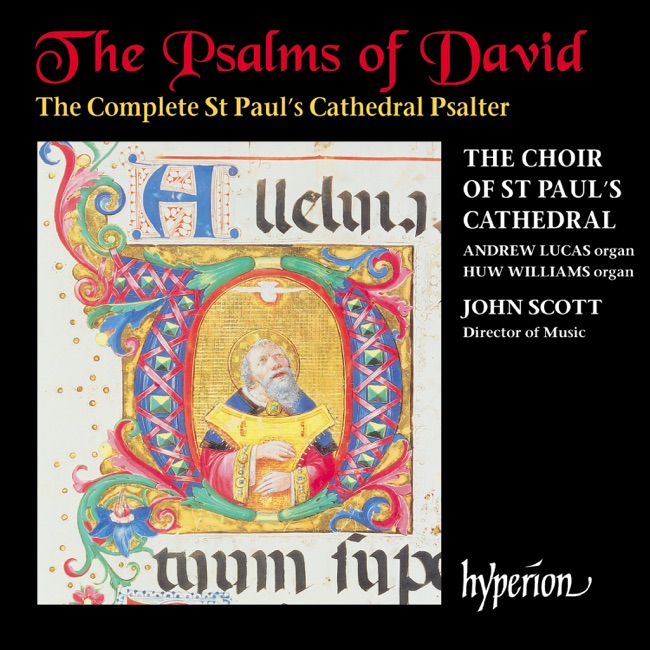
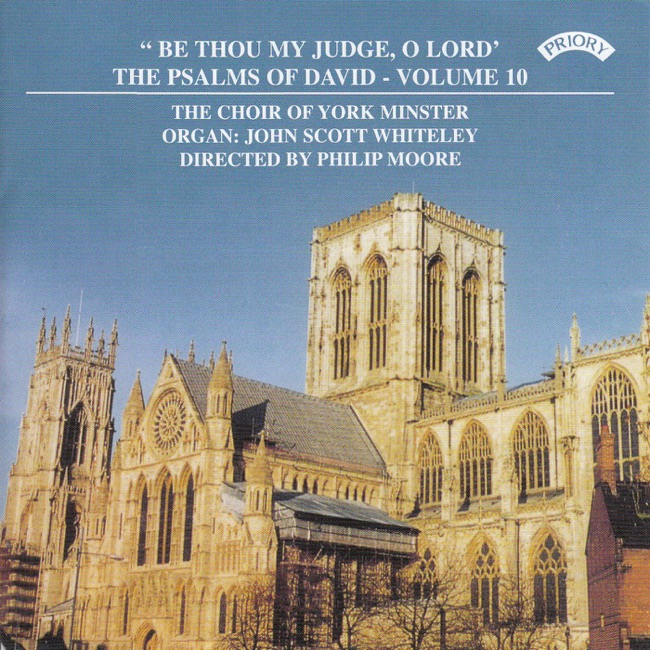
Works Info
Composer:Henry John GauntlettStyle:PsalmAverage_duration:5:49Henry John Gauntlett was an English organist, composer, and music editor who lived from 1805 to 1876. He is best known for his hymn tunes, which are still widely used in churches today. One of his most famous works is "Psalm 119 vv.81-88 Defecit anima mea," which was composed in the mid-19th century. The piece is a setting of verses 81-88 of Psalm 119, which is the longest chapter in the Bible. The text speaks of the psalmist's longing for God's salvation and his trust in God's word. Gauntlett's setting is for four-part choir and organ, and it is written in a traditional hymn style. The piece begins with a slow, mournful introduction in the organ, which sets the tone for the psalmist's lament. The choir enters with a simple melody, which is repeated several times with different harmonies. The first movement ends with a brief organ interlude. The second movement is more upbeat, with a faster tempo and more complex harmonies. The choir sings a new melody, which is based on the same text as the first movement. The organ provides a lively accompaniment, with fast arpeggios and flourishes. The third movement is a slower, more contemplative section. The choir sings a simple melody, which is accompanied by gentle chords in the organ. This section is marked by a sense of peace and calm, as the psalmist reflects on God's word. The final movement is a return to the first melody, but with a more triumphant feel. The choir sings with more energy and enthusiasm, and the organ provides a powerful accompaniment. The piece ends with a grand finale, as the choir and organ come together in a final burst of praise. Overall, "Psalm 119 vv.81-88 Defecit anima mea" is a beautiful and moving piece of sacred music. Gauntlett's skillful use of harmony and melody creates a sense of longing, trust, and ultimately, joy in God's salvation. The piece premiered in the mid-19th century and is still performed in churches today.More....
Works Music