Arthur Farwell
Polytonal Studies for piano, Op. 109
Released Album
Recent Album
Works Info
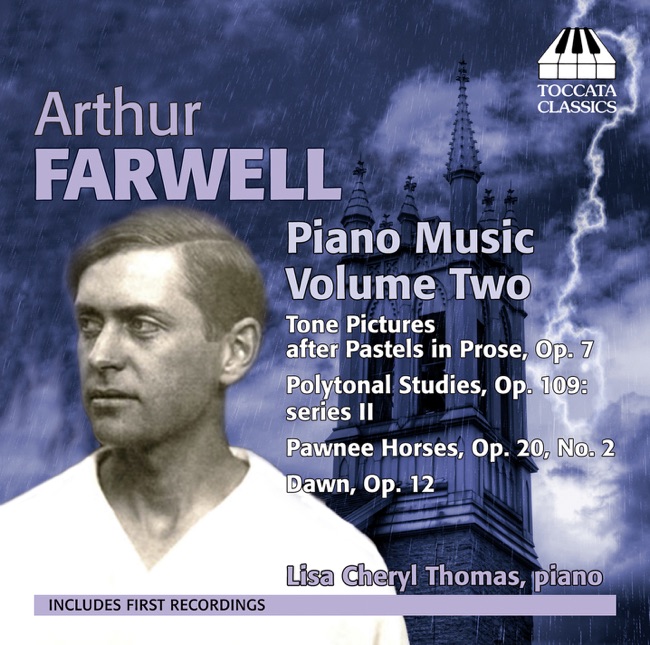
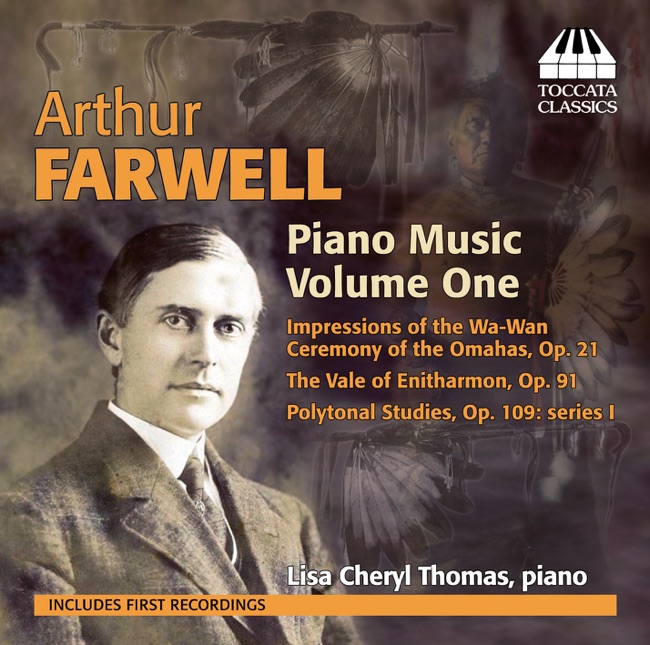
Composer:Arthur FarwellGenre:KeyboardCompose Date:1940-1952Arthur Farwell's "Polytonal Studies for piano, Op. 109" is a collection of six pieces for solo piano that were composed in 1920. The work was premiered in New York City in 1921 by pianist Leo Ornstein. The six movements of the work are titled "Prelude," "Scherzo," "Nocturne," "Caprice," "Elegy," and "Toccata." Each movement explores the use of polytonality, which is the use of multiple keys or tonal centers simultaneously. The "Prelude" begins with a dissonant chord that sets the tone for the rest of the piece. The left hand plays in the key of C major while the right hand plays in the key of F-sharp major. The "Scherzo" is a lively and playful piece that features a constantly shifting tonal center. The "Nocturne" is a slower, more contemplative piece that uses polytonality to create a dreamlike atmosphere. The "Caprice" is a virtuosic piece that features rapid runs and arpeggios. The use of polytonality in this movement creates a sense of tension and instability. The "Elegy" is a mournful piece that uses polytonality to create a sense of dissonance and sadness. The final movement, "Toccata," is a fast and energetic piece that features complex rhythms and shifting tonal centers. Overall, "Polytonal Studies for piano, Op. 109" is a challenging and innovative work that showcases Farwell's mastery of polytonality. The use of multiple tonal centers creates a sense of tension and instability that is both exciting and unsettling. The work is a testament to Farwell's unique musical vision and his willingness to push the boundaries of traditional tonality.More....
Works Music
Released Music