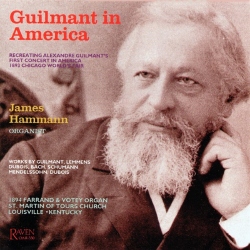
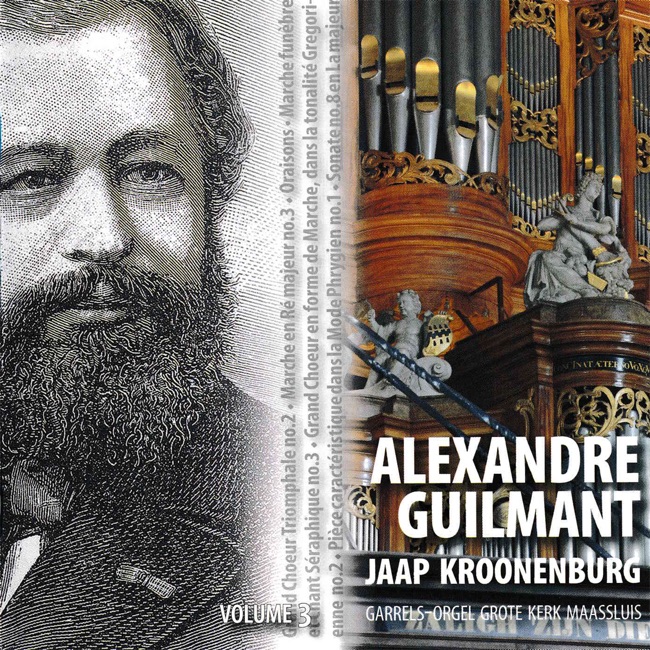
Alexandre Guilmant
Marche funèbre et chant séraphique, Op. 17/3
Released Album
Recent Album
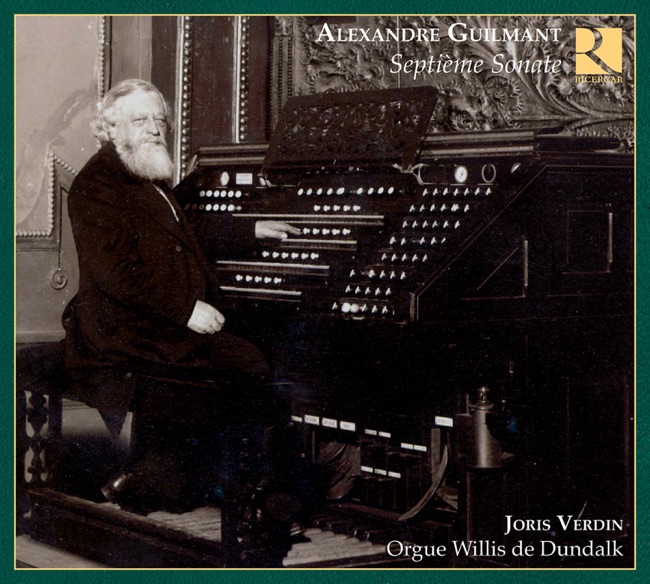
Works Info
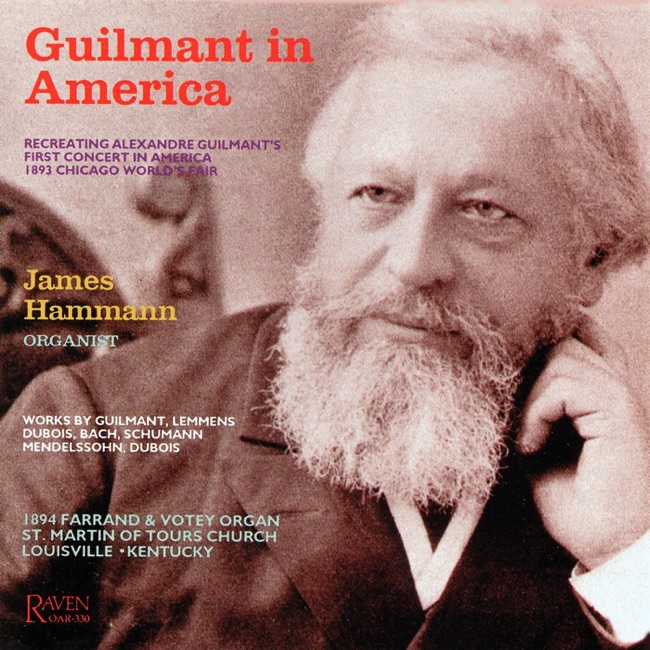
Composer:Alexandre GuilmantGenre:KeyboardStyle:RequiemCompose Date:1868Average_duration:11:01Alexandre Guilmant's 'Marche funèbre et chant séraphique, Op. 17/3' is a powerful and moving piece of music that was composed in 1874. It was premiered in the same year at the Trocadéro Palace in Paris, France. The piece is divided into two movements, the first being the 'Marche funèbre' and the second being the 'Chant séraphique'. The 'Marche funèbre' is a somber and mournful piece that is often played at funerals. It begins with a slow and steady march-like rhythm that is played by the lower registers of the organ. The melody is then taken up by the higher registers, which add a sense of urgency and intensity to the piece. The music builds to a climax before gradually fading away, leaving the listener with a sense of sadness and loss. The 'Chant séraphique' is a stark contrast to the first movement. It is a beautiful and uplifting piece that is meant to evoke feelings of hope and joy. The melody is played by the higher registers of the organ and is accompanied by a gentle and flowing rhythm. The music builds to a crescendo before gradually fading away, leaving the listener with a sense of peace and tranquility. One of the characteristics of Guilmant's music is his use of the organ. He was a master of the instrument and was able to create a wide range of sounds and textures. In 'Marche funèbre et chant séraphique', he uses the full range of the organ to create a powerful and emotional piece of music. Overall, 'Marche funèbre et chant séraphique, Op. 17/3' is a beautiful and moving piece of music that showcases Guilmant's talent as a composer and organist. Its two contrasting movements provide a powerful emotional journey for the listener, making it a popular choice for funerals and other solemn occasions.More....
Works Music
Released Music

4
10:15
6
12:6
7
11:58