Giovanni Pierluigi da Palestrina
Salve Regina (from Motets Book V)
Released Album
Recent Album

Featured Album

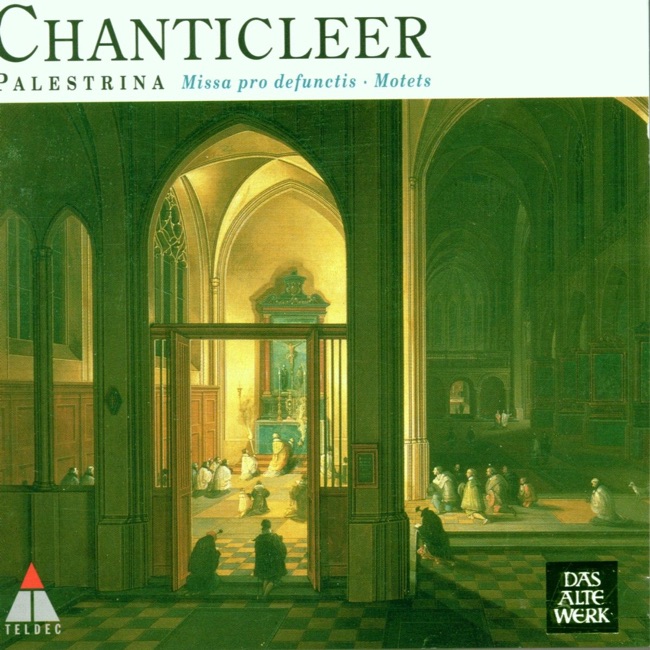
Works Info
Composer:Giovanni Pierluigi da PalestrinaGenre:ChoralStyle:MotetCompose Date:1584Average_duration:5:17Giovanni Pierluigi da Palestrina's 'Salve Regina' is a sacred motet that was composed in the late 16th century. The exact date of its composition is unknown, but it is believed to have been written between 1570 and 1580. The piece was first published in Palestrina's Motets Book V in 1585. The 'Salve Regina' is a four-voice motet that is written in the key of C major. It is divided into three movements, each of which is characterized by its own unique musical style and structure. The first movement is a simple and straightforward setting of the text, with each voice singing in unison. The second movement is more complex, with the voices weaving in and out of each other in a contrapuntal style. The third movement returns to the simplicity of the first, with the voices once again singing in unison. One of the most notable characteristics of Palestrina's 'Salve Regina' is its use of polyphony. The piece is a prime example of Palestrina's mastery of counterpoint, with each voice contributing to the overall texture of the piece. The use of polyphony also allows for a greater sense of depth and complexity in the music, as the different voices interact with each other in intricate ways. Another characteristic of the 'Salve Regina' is its use of dissonance. Palestrina was known for his skillful use of dissonance, and this piece is no exception. The dissonances in the 'Salve Regina' are carefully placed and resolved, creating a sense of tension and release that adds to the emotional impact of the music. Overall, Palestrina's 'Salve Regina' is a beautiful and masterful piece of sacred music. Its use of polyphony and dissonance, combined with its simple yet powerful structure, make it a timeless example of Renaissance music.More....
Works Music
Released Music

Featured Music