Pauline Viardot
Fleur desséchée
Released Album
Recent Album
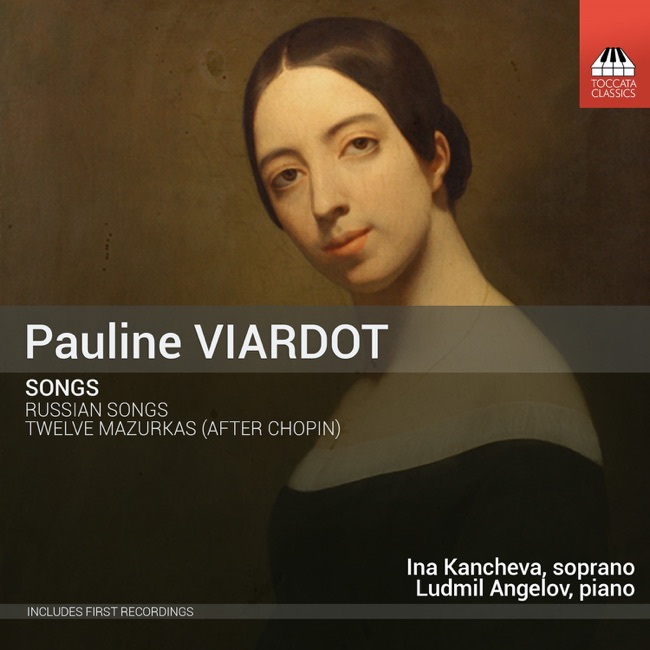
Works Info
Composer:Pauline ViardotGenre:VocalCompose Date:1866Average_duration:2:56"Fleur desséchée" is a song composed by Pauline Viardot, a French composer, singer, and pianist. The song was composed in 1868 and premiered in the same year. It is a part of a collection of songs called "Six mélodies" which was published in 1870. The song is written in the key of F minor and has a moderate tempo. It consists of three movements, each with its own distinct characteristics. The first movement is marked "Andante" and is characterized by a mournful melody that is sung in a low register. The second movement is marked "Allegro" and is more lively and energetic than the first. The final movement is marked "Andante" and returns to the mournful melody of the first movement. The lyrics of the song were written by Viardot's close friend, the French poet Louis Labe. The poem tells the story of a withered flower that has lost its beauty and vitality. The flower is a metaphor for a woman who has lost her youth and beauty and is now alone and forgotten. Viardot's composition of "Fleur desséchée" is notable for its use of chromaticism and dissonance. The mournful melody of the first movement is accompanied by a series of dissonant chords that create a sense of tension and unease. The second movement, with its more lively melody, is characterized by a series of ascending and descending chromatic scales that add to the sense of energy and movement. Overall, "Fleur desséchée" is a haunting and melancholic song that captures the sense of loss and despair expressed in Labe's poem. Viardot's use of chromaticism and dissonance adds to the emotional impact of the song and makes it a powerful example of the Romantic era of music.More....
Works Music
Released Music