


John Adams
The Chairman Dances
Released Album
Recent Album

Featured Album
Works Info
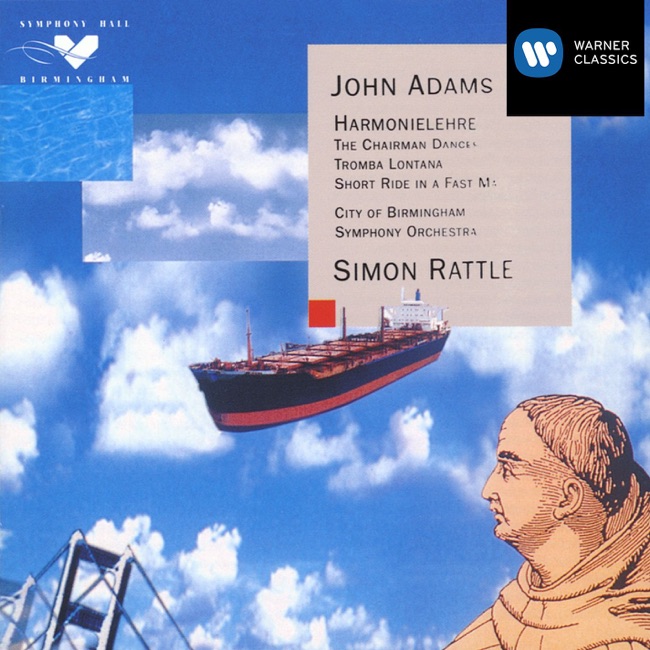
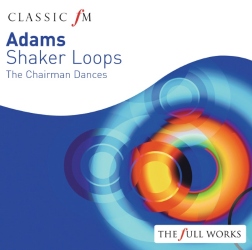
Composer:John AdamsGenre:OrchestralStyle:FoxtrotCompose Date:1985Average_duration:11:59"The Chairman Dances" is a contemporary classical composition by American composer John Adams. It was composed in 1985 as an orchestral work and later adapted for piano four-hands. The piece was premiered on October 12, 1985, by the Milwaukee Symphony Orchestra under the direction of Lukas Foss. The composition is a part of Adams' larger work, "Nixon in China," an opera that explores the historic visit of President Richard Nixon to China in 1972. "The Chairman Dances" is a standalone piece that serves as an interlude in the opera, depicting a dream sequence in which Chairman Mao and his wife, Jiang Qing, dance together. The piece is divided into three movements, each with its own distinct character. The first movement, "Foxtrot for Orchestra," is a lively and playful dance that features syncopated rhythms and jazzy harmonies. The second movement, "A Little Slower, Please," is a slower and more introspective section that features a solo trumpet and a haunting melody. The final movement, "Peking Opera," is a fast and frenetic dance that features a driving rhythm and a mix of Western and Eastern musical elements. One of the most notable characteristics of "The Chairman Dances" is its use of repetition and layering. The piece features a repeating melodic motif that is gradually built upon and developed throughout the composition. This creates a sense of momentum and energy that propels the piece forward. Another characteristic of the piece is its use of unconventional instrumentation. In addition to the standard orchestral instruments, "The Chairman Dances" features a variety of percussion instruments, including Chinese gongs, woodblocks, and temple blocks. This adds to the piece's exotic and otherworldly atmosphere. Overall, "The Chairman Dances" is a dynamic and engaging composition that showcases John Adams' unique style and innovative approach to classical music. Its blend of Western and Eastern musical elements, use of repetition and layering, and unconventional instrumentation make it a standout work in the contemporary classical repertoire.More....
Works Music
Released Music


Featured Music


Main Perform Artists