Chastelain de Couci
La douce voiz du rosignol sauvage
Released Album
Recent Album
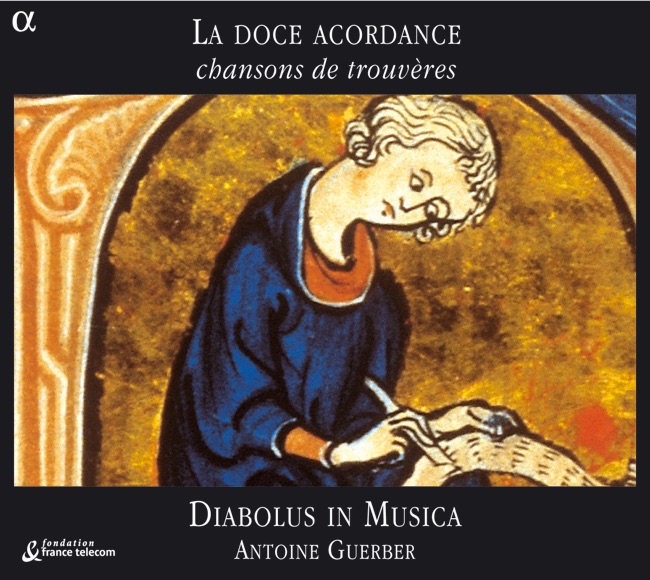
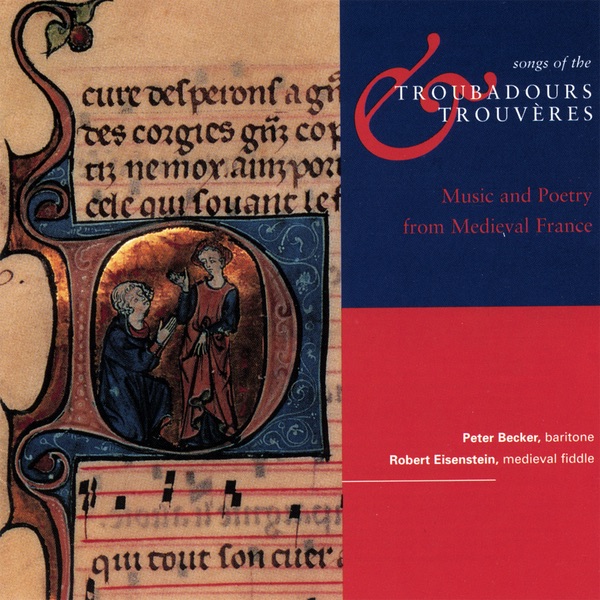
Works Info
Composer:Chastelain de CouciGenre:VocalStyle:Vocal MusicAverage_duration:5:57"La douce voiz du rosignol sauvage" is a medieval French chanson composed by Chastelain de Couci in the 12th century. The chanson was written in the form of a love poem, and it was one of the most popular songs of its time. The chanson was first performed in the court of King Philip II of France in the late 12th century. The chanson is divided into three movements, each of which has its own distinct characteristics. The first movement is slow and melancholic, with a mournful melody that reflects the sadness of the speaker. The second movement is more upbeat and lively, with a faster tempo and a more joyful melody. The third movement is slower and more contemplative, with a melody that reflects the speaker's sense of longing and desire. The lyrics of "La douce voiz du rosignol sauvage" are written in the form of a dialogue between the speaker and a nightingale. The speaker is a lover who is separated from his beloved, and he is seeking solace in the song of the nightingale. The nightingale responds to the speaker's lament with its own song, which is full of hope and joy. The chanson is characterized by its use of imagery and metaphor. The nightingale is used as a symbol of love and hope, and its song is seen as a source of comfort and inspiration for the speaker. The chanson also uses a variety of poetic devices, such as alliteration, repetition, and rhyme, to create a musical and lyrical effect. Overall, "La douce voiz du rosignol sauvage" is a beautiful and poignant chanson that captures the spirit of medieval courtly love. Its timeless themes of love, longing, and hope continue to resonate with audiences today, making it a classic of medieval French literature.More....
Works Music
Released Music