Giovanni Zamboni
Sonata for lute No. 1
Released Album
Recent Album
-
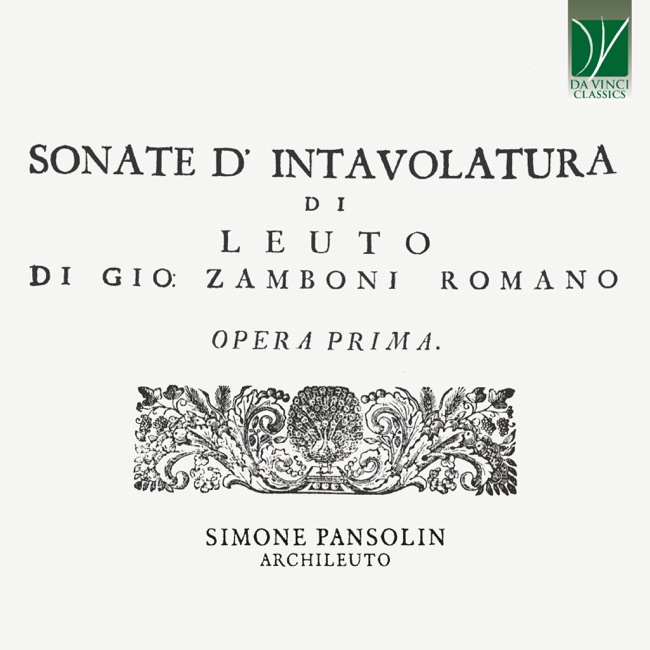 Simone PansolinNovember 12, 2021
 -

-
Works Info
Composer:Giovanni ZamboniGenre:ChamberStyle:SonataAverage_duration:14:32Giovanni Zamboni's Sonata for Lute No. 1 is a significant work in the lute repertoire. It was composed in the Baroque era, around the mid-17th century. The exact date of composition is unknown, but it is believed to have been written between 1650 and 1670. The sonata is a three-movement work that showcases the lute's expressive capabilities and virtuosity. The sonata's premiere is also unknown, but it is likely that it was performed in private settings for aristocratic patrons. The sonata was not published during Zamboni's lifetime, and it was only rediscovered in the 20th century. The first movement of the sonata is marked by its lively and energetic character. It is in binary form, with a fast and rhythmic first section followed by a more lyrical and melodic second section. The movement features intricate fingerwork and rapid arpeggios, which demonstrate the lute's technical capabilities. The second movement is a sarabande, a slow and stately dance in triple meter. It is characterized by its expressive and melancholic melody, which is accompanied by rich harmonies and delicate ornamentation. The movement showcases the lute's ability to convey emotion and sensitivity. The final movement is a gigue, a fast and lively dance in compound meter. It is marked by its rhythmic drive and playful character, with lively melodic lines and intricate counterpoint. The movement features virtuosic passages and complex fingerwork, which demonstrate the lute's technical prowess. Overall, Zamboni's Sonata for Lute No. 1 is a significant work in the lute repertoire, showcasing the instrument's expressive capabilities and virtuosity. Its three movements demonstrate a range of styles and moods, from lively and energetic to expressive and melancholic to playful and virtuosic.More....