Otto Schulhof
Spieluhr (after Strauss)
Released Album
Recent Album
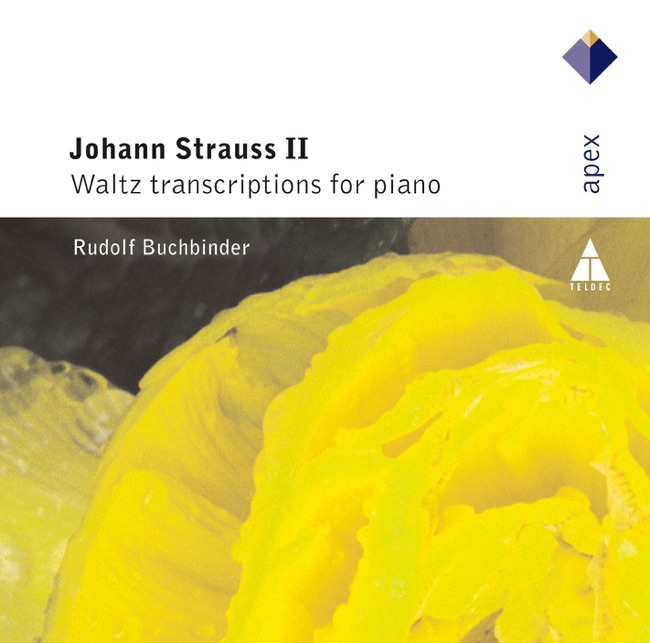
Featured Album
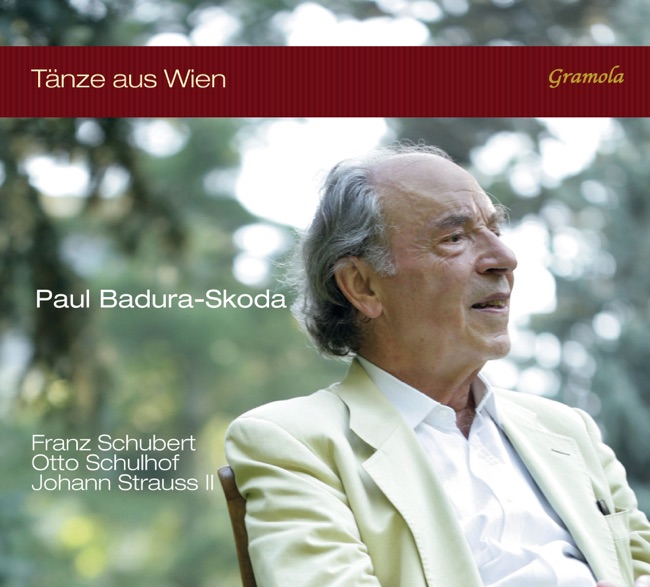
Works Info
Composer:Otto SchulhofGenre:MiscellaneousStyle:MiscellaneousAverage_duration:2:59Otto Schulhof's "Spieluhr (after Strauss)" is a composition for solo piano that was composed in 1920. The piece was premiered in the same year in Vienna, Austria. The composition is divided into three movements, each of which is characterized by a different mood and style. The first movement of "Spieluhr (after Strauss)" is marked "Allegro con brio" and is characterized by its lively and energetic tempo. The movement is based on a theme that is reminiscent of the waltzes of Johann Strauss II, but Schulhof adds his own unique twists and turns to the melody. The movement is full of playful and whimsical flourishes, and the pianist is required to play with a great deal of technical skill and precision. The second movement of the composition is marked "Andante cantabile" and is much slower and more contemplative than the first. The melody is more subdued and introspective, and the pianist is required to play with a great deal of sensitivity and nuance. The movement is characterized by its beautiful harmonies and delicate phrasing, and it provides a stark contrast to the more lively and energetic first movement. The final movement of "Spieluhr (after Strauss)" is marked "Allegro vivace" and is characterized by its fast and frenetic tempo. The movement is based on a theme that is similar to the first movement, but Schulhof adds even more complexity and technical demands to the melody. The movement is full of virtuosic runs and arpeggios, and the pianist is required to play with a great deal of speed and precision. Overall, "Spieluhr (after Strauss)" is a challenging and rewarding composition for solo piano that showcases Schulhof's unique style and technical prowess. The piece is characterized by its playful and whimsical melodies, beautiful harmonies, and virtuosic demands on the pianist.More....
Works Music
Released Music

3
2:59
Featured Music