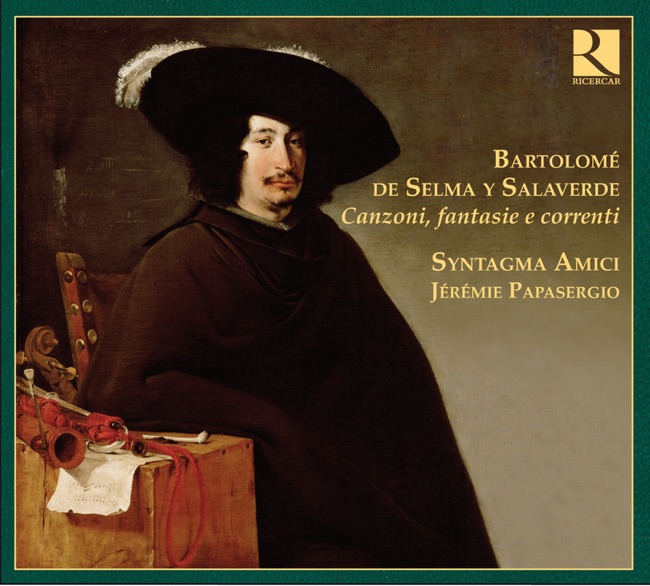
Bartolome de Selma y Salaverde
Canzon settima a tre (Canzoni, fantasie et correnti No. 38)
Released Album
Recent Album
Works Info
Composer:Bartolome de Selma y SalaverdeGenre:OrchestralStyle:OrchestralPublication Date:1638Average_duration:3:41Bartolome de Selma y Salaverde was a Spanish composer and musician who lived in the 17th century. He was known for his contributions to the development of instrumental music, particularly for the recorder. One of his most famous works is the "Canzon settima a tre" from his collection "Canzoni, fantasie et correnti No. 38." The "Canzon settima a tre" was composed in the early 17th century and was first premiered in Italy. It is a three-part instrumental piece that features the recorder, cornetto, and bassoon. The piece is divided into three movements, each with its own unique characteristics. The first movement is marked by its lively and energetic tempo. It features a series of fast-paced runs and trills that showcase the virtuosity of the performers. The recorder takes the lead in this movement, with the cornetto and bassoon providing a supportive accompaniment. The second movement is slower and more contemplative. It features a beautiful melody that is passed between the three instruments. The recorder takes the lead in the first section, followed by the cornetto and then the bassoon. The movement is marked by its expressive phrasing and delicate ornamentation. The final movement is a lively dance that features a catchy melody and a driving rhythm. It is marked by its syncopated rhythms and playful interplay between the three instruments. The recorder takes the lead in this movement, with the cornetto and bassoon providing a supportive accompaniment. Overall, the "Canzon settima a tre" is a beautiful example of early instrumental music. It showcases the virtuosity of the performers and the expressive potential of the recorder, cornetto, and bassoon. The piece is marked by its lively rhythms, beautiful melodies, and intricate ornamentation, making it a true masterpiece of the early Baroque period.More....
Works Music
Released Music