


Niccolò Paganini
Sonata for violin & guitar in C major (Centone di sonate, Letter B/4), MS 112/10
Released Album
Recent Album
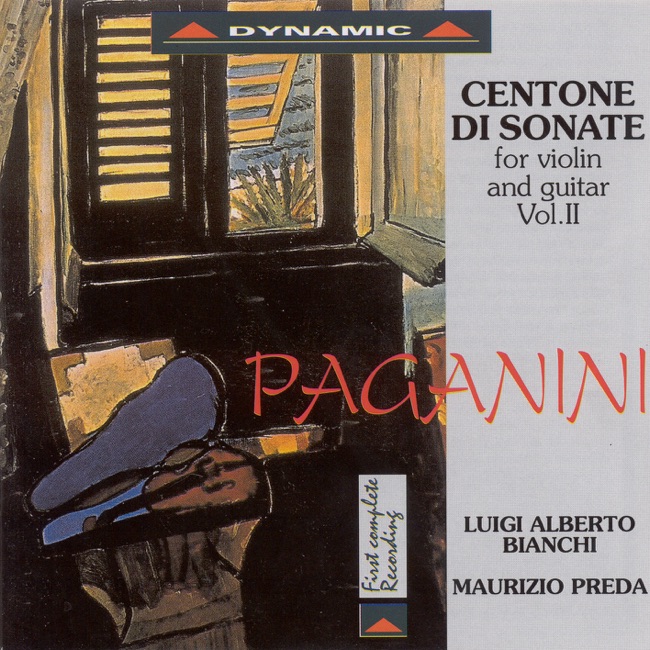
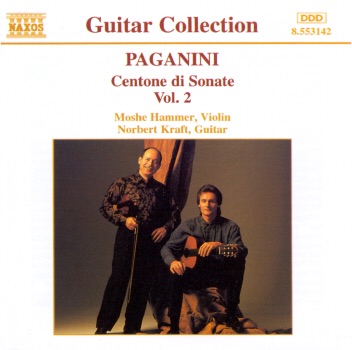
Works Info
Composer:Niccolò PaganiniGenre:ChamberStyle:Chamber MusicCompose Date:ca. 1828Average_duration:11:32Movement_count:2Movement ....Niccolò Paganini's Sonata for violin and guitar in C major, also known as Centone di sonate, Letter B/4, MS 112/10, was composed in the early 19th century. The exact date of composition is unknown, but it is believed to have been written between 1805 and 1810. The sonata was premiered in Paris in 1836, several years after Paganini's death. The sonata consists of three movements: Allegro spiritoso, Adagio assai espressivo, and Rondeau. The first movement, Allegro spiritoso, is a lively and energetic piece that showcases Paganini's virtuosic violin playing. The guitar provides a steady accompaniment throughout the movement, with occasional moments of soloistic flair. The second movement, Adagio assai espressivo, is a slow and lyrical piece that allows the violin to sing with expressive phrasing and delicate ornamentation. The guitar provides a gentle and supportive accompaniment, with occasional moments of harmonic interest. The final movement, Rondeau, is a lively and playful piece that features a catchy melody and intricate interplay between the violin and guitar. One of the characteristics of this sonata is the way in which Paganini incorporates elements of folk music into his writing. The use of simple, catchy melodies and dance rhythms in the Rondeau movement, for example, reflects the influence of popular music of the time. Additionally, the use of the guitar as an accompaniment instrument was a nod to the tradition of Italian folk music, where the guitar was often used to accompany singers and dancers. Another characteristic of this sonata is the way in which Paganini showcases the technical capabilities of both the violin and guitar. The violin part is full of virtuosic runs, double stops, and rapid-fire arpeggios, while the guitar part features intricate fingerpicking patterns and complex harmonies. Despite the technical demands of the music, however, Paganini never sacrifices musicality for showmanship. The melodies are always at the forefront of the music, and the technical fireworks serve to enhance the emotional impact of the piece. Overall, Paganini's Sonata for violin and guitar in C major is a masterful example of the composer's ability to blend technical virtuosity with musical expression. The use of folk music elements and the interplay between the violin and guitar make this sonata a unique and engaging work that continues to captivate audiences today.More....
Works Music
Released Music
1
5:13
2
8:58