Thomas Morley
I should for griefe and anguish
Released Album
Recent Album

Featured Album

Works Info
Composer:Thomas MorleyGenre:ChoralCompose Date:before 1595Publication Date:1595Average_duration:02:34"I should for griefe and anguish" is a madrigal composed by Thomas Morley, an English composer, organist, and theorist of the Renaissance era. The piece was composed in the late 16th century, around 1595, and was first published in his collection "The Triumphs of Oriana" in 1601. The madrigal is written for five voices, and its premiere is unknown. The piece is divided into three movements, each with its own distinct characteristics. The first movement is in a minor key and is marked by a slow and mournful tempo. The vocal lines are characterized by long, sustained notes and frequent use of dissonance, which creates a sense of tension and unease. The second movement is in a major key and is marked by a faster tempo. The vocal lines are more lively and playful, with frequent use of syncopation and imitation between the voices. The third movement returns to the minor key and is marked by a slower tempo. The vocal lines are characterized by long, sustained notes and frequent use of dissonance, which creates a sense of tension and unease. The madrigal's lyrics are in English and describe the pain and suffering of unrequited love. The text is full of vivid imagery and metaphors, such as "my heart is like a ship in stormy seas" and "my tears are like a river that never stops flowing." The music is closely tied to the text, with the vocal lines reflecting the emotions and imagery of the lyrics. Overall, "I should for griefe and anguish" is a powerful and emotional piece of music that showcases Morley's skill as a composer. Its use of dissonance, syncopation, and vivid imagery make it a standout example of the English madrigal genre.More....
Works Music
Released Music
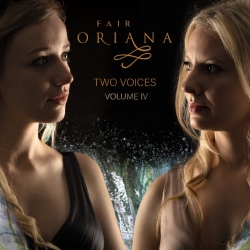
Featured Music