Herman Berlinski
Burning Bush
Released Album
Recent Album

Works Info
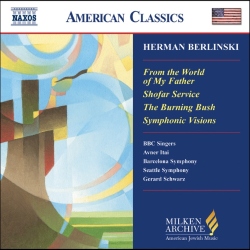
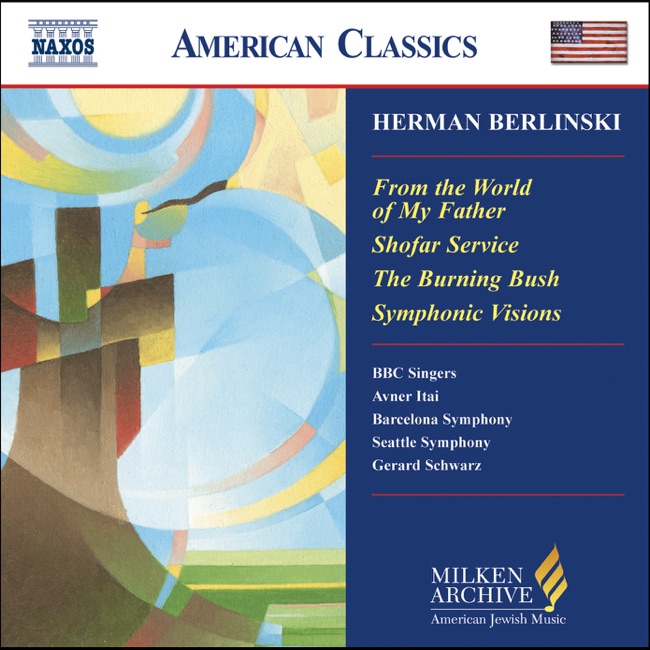
Composer:Herman BerlinskiGenre:KeyboardStyle:KeyboardAverage_duration:8:57Burning Bush is a choral work composed by Herman Berlinski in 1951. It premiered on May 6, 1951, at the Park Avenue Synagogue in New York City. The piece is divided into three movements, each of which is based on a different text from the Book of Exodus. The first movement, titled "The Burning Bush," is a setting of the text in which God speaks to Moses from the burning bush. The music is characterized by a sense of awe and wonder, with the choir singing in hushed tones as if in the presence of something holy and mysterious. The use of dissonance and chromaticism adds to the sense of otherworldliness. The second movement, "The Ten Plagues," is a setting of the text in which God sends ten plagues upon Egypt to convince Pharaoh to release the Israelites from slavery. The music is more dramatic and intense than the first movement, with the choir singing in a more forceful and declamatory style. The use of percussion and brass instruments adds to the sense of power and majesty. The third movement, "The Song of Miriam," is a setting of the text in which Moses' sister Miriam leads the Israelites in a song of praise after they have crossed the Red Sea. The music is joyful and celebratory, with the choir singing in a more lively and rhythmic style. The use of tambourines and other percussion instruments adds to the sense of festivity. Overall, Burning Bush is a powerful and evocative work that captures the drama and spirituality of the Exodus story. Berlinski's use of dissonance, chromaticism, and unconventional harmonies creates a sense of mystery and awe, while his use of percussion and brass instruments adds to the sense of drama and power. The piece remains a popular choice for Jewish choirs and has been performed in synagogues and concert halls around the world.More....
Works Music
Released Music