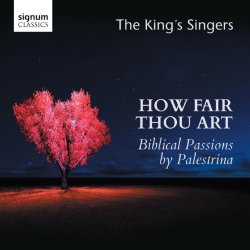
Giovanni Pierluigi da Palestrina
Veni, veni dilecte mi (from Motets Book IV from Canticis canticorum)
Released Album
Recent Album
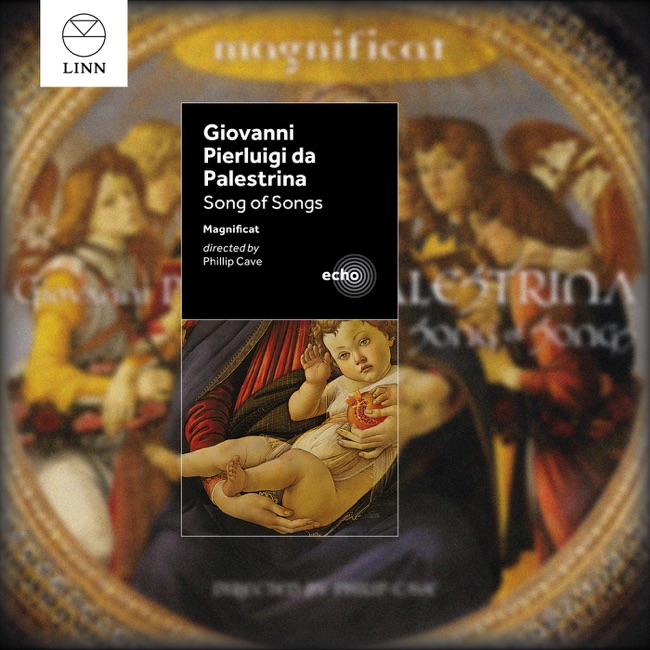
Featured Album
Works Info
Composer:Giovanni Pierluigi da PalestrinaGenre:ChoralStyle:MotetCompose Date:1584Average_duration:2:40Giovanni Pierluigi da Palestrina was a prominent composer of the Renaissance period, known for his sacred music compositions. One of his most famous works is the motet "Veni, veni dilecte mi," which is part of his Motets Book IV from Canticis canticorum. The motet was composed in the late 16th century, during the Counter-Reformation period, when the Catholic Church was trying to reassert its authority and influence in Europe. The text of the motet is taken from the Song of Solomon, a book of the Old Testament that is often interpreted as a metaphor for the love between God and his people. "Veni, veni dilecte mi" is a six-voice motet, with two soprano, two alto, and two tenor parts. It is divided into three movements, each of which has its own distinct character and mood. The first movement is marked "Allegro," and is characterized by a lively, dance-like rhythm. The voices enter one by one, building up to a joyful and exuberant climax. The text of this movement is an invitation from the beloved to the lover to come and be with her. The second movement is marked "Adagio," and is much slower and more contemplative than the first. The voices are more subdued, and the harmonies are more complex and expressive. The text of this movement is a lament from the lover, who is separated from the beloved and longing to be reunited with her. The third movement is marked "Allegro," and is similar in character to the first. The voices are more energetic and lively, and the harmonies are more exuberant and joyful. The text of this movement is a celebration of the love between the lover and the beloved, and a declaration of their commitment to each other. Overall, "Veni, veni dilecte mi" is a beautiful and expressive work that showcases Palestrina's mastery of polyphonic composition. Its three movements each have their own distinct character and mood, but together they form a cohesive and powerful expression of love and devotion.More....
Works Music
Released Music
Featured Music