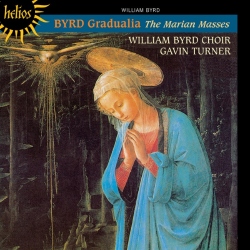
William Byrd
Beata es, virgo Maria
Released Album
Recent Album
Works Info
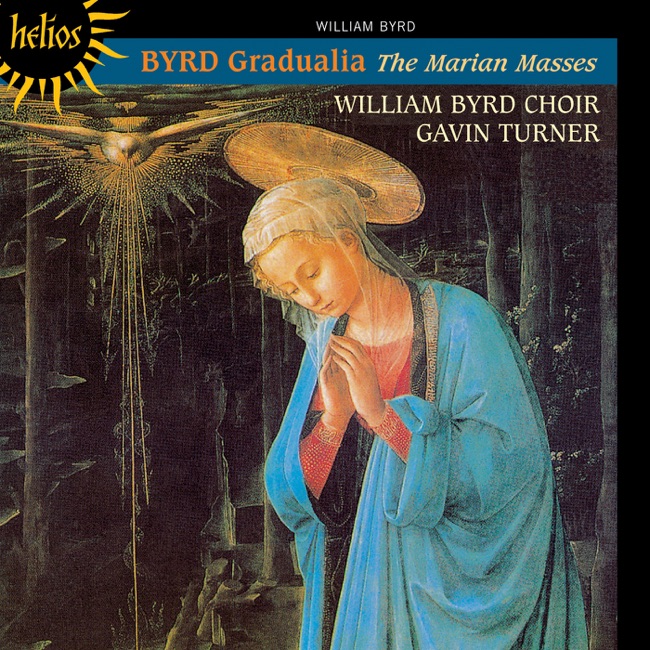
Composer:William ByrdGenre:ChoralStyle:MotetAverage_duration:2:08"Beata es, virgo Maria" is a sacred motet composed by William Byrd, an English composer of the Renaissance period. The piece was composed in the late 16th century, around 1590, during the reign of Queen Elizabeth I. It is a four-part motet, written for four voices: soprano, alto, tenor, and bass. The piece was first performed in the Chapel Royal, London, and was later published in Byrd's collection of motets, Cantiones Sacrae, in 1591. The motet is written in Latin and is based on a text from the Gospel of Luke, which praises the Virgin Mary as the mother of Jesus Christ. The motet is divided into three movements, each with its own distinct character and mood. The first movement is a joyful and celebratory hymn, praising the Virgin Mary for her role in the birth of Jesus. The second movement is more contemplative and introspective, with a slower tempo and more complex harmonies. The third movement returns to the joyful and celebratory mood of the first movement, with a lively and energetic rhythm. The piece is characterized by its rich harmonies, intricate counterpoint, and expressive use of dissonance. Byrd's use of chromaticism and unexpected harmonic shifts creates a sense of tension and drama, adding to the emotional impact of the piece. The motet also features a variety of vocal textures, with sections of homophonic and polyphonic writing, as well as moments of solo and duet singing. Overall, "Beata es, virgo Maria" is a masterful example of Byrd's skill as a composer of sacred music. Its combination of expressive harmonies, intricate counterpoint, and emotional depth make it a timeless masterpiece of the Renaissance period.More....
Works Music
Released Music