


Giuseppi Antonio Brescianello
Concerto for violin, bassoon, strings & continuo in B flat major
Released Album
Recent Album
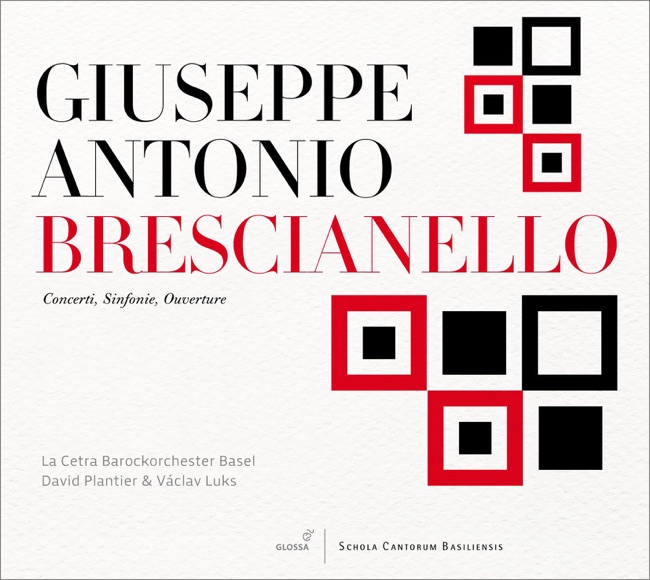
Featured Album
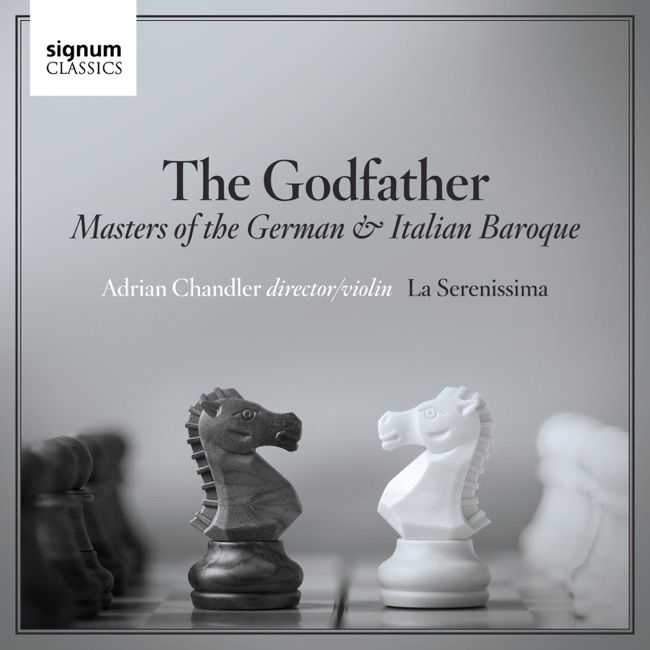
Works Info
Composer:Giuseppi Antonio BrescianelloGenre:ConcertoStyle:ConcertoAverage_duration:10:52Movement_count:3Movement ....The Concerto for violin, bassoon, strings & continuo in B flat major was composed by Giuseppi Antonio Brescianello, an Italian composer and violinist of the Baroque era. The exact date of composition is unknown, but it is believed to have been written in the early 18th century. The concerto is divided into three movements: Allegro, Adagio, and Allegro. The first movement is characterized by its lively and energetic tempo, with the violin and bassoon taking turns to showcase their virtuosity. The second movement, Adagio, is a slow and melancholic piece, with the violin and bassoon playing in unison to create a hauntingly beautiful melody. The final movement, Allegro, is a fast-paced and lively piece, with the violin and bassoon once again taking turns to showcase their technical skills. The concerto is scored for solo violin, solo bassoon, and a string orchestra with continuo. The use of the bassoon as a solo instrument was relatively uncommon in Baroque music, but Brescianello's concerto demonstrates the instrument's versatility and expressive capabilities. The violin and bassoon are often played in dialogue, with each instrument complementing and responding to the other. The concerto premiered in the early 18th century, likely in Italy or Germany. It was well-received by audiences and critics alike, and has since become a staple of the Baroque repertoire. Brescianello's Concerto for violin, bassoon, strings & continuo in B flat major is a testament to the composer's skill and creativity, and remains a beloved work of Baroque music to this day.More....
Works Music
Released Music
Featured Music
1
4:4
2
5:7
3
2:55