Russian Orthodox Chant
Now lettest thou thy servant depart in peace
Released Album
Recent Album
Works Info
Composer:Russian Orthodox ChantGenre:ChoralStyle:Chant: EasternAverage_duration:1:56"Now lettest thou thy servant depart in peace" is a hymn composed by Russian Orthodox Chant. It is also known as the Nunc Dimittis, which is a Latin phrase that means "now dismiss." The hymn is based on the words of Simeon, a devout Jew who had been promised by God that he would not die until he had seen the Messiah. When he saw the baby Jesus, he took him in his arms and said, "Lord, now lettest thou thy servant depart in peace, according to thy word: For mine eyes have seen thy salvation." The hymn is typically sung during the Orthodox Vespers service, which takes place in the evening. It is one of the most beloved hymns in the Orthodox Church and is often sung at funerals and other solemn occasions. The hymn is composed of three movements. The first movement is a solo chant, sung by a cantor or choir member. The second movement is a choral response, sung by the entire choir. The third movement is a repetition of the first movement, sung by the cantor or choir member. The characteristics of the hymn are its simplicity and its beauty. The melody is haunting and ethereal, and the words are deeply moving. The hymn expresses the joy and peace that Simeon felt when he saw the baby Jesus, and it reminds us of the hope and salvation that we have in Christ. The exact date of the composition of the hymn is unknown, but it is believed to have been written in the early centuries of the Christian Church. The hymn has been sung in the Orthodox Church for centuries and has become an integral part of the liturgy. The premiere of the hymn would have taken place in a church service, most likely during a Vespers service. The hymn would have been sung by a cantor or choir member, accompanied by the other members of the choir. In conclusion, "Now lettest thou thy servant depart in peace" is a beautiful and moving hymn that has been sung in the Orthodox Church for centuries. Its simplicity and beauty make it a beloved part of the liturgy, and its message of hope and salvation continues to inspire and comfort believers today.More....
Works Music
Released Music
1
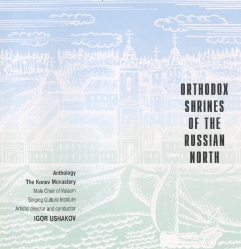
1:44
2
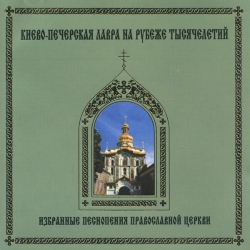
1:41