


Max Reger
Chorale Fantasia "Straf' mich nicht in deinem Zorn", Op. 40/2
Released Album
Recent Album
Works Info
Composer:Max RegerGenre:KeyboardStyle:FantasyCompose Date:Sep 1899First Performance:Dec 11, 1900Average_duration:13:04Max Reger's 'Chorale Fantasia Straf' mich nicht in deinem Zorn, Op. 40/2' was composed in 1900 and premiered on October 28th of the same year in Leipzig. The piece is part of a set of seven chorale fantasias for organ, which Reger composed between 1899 and 1900. The 'Chorale Fantasia Straf' mich nicht in deinem Zorn' is a complex and challenging work for the organist, with a duration of approximately 12 minutes. The piece is based on the Lutheran chorale of the same name, which translates to "Do not punish me in your anger." Reger's composition is divided into three movements, with the first and third movements being variations on the chorale melody, while the second movement is a free-form interlude. The first movement begins with a solemn and majestic introduction, which sets the tone for the entire piece. The chorale melody is then introduced in the pedals, accompanied by a series of intricate and virtuosic figurations in the manuals. Reger's use of chromaticism and dissonance creates a sense of tension and drama, which is gradually resolved as the movement progresses. The second movement is a contrasting interlude, which features a series of rapid and virtuosic passages in the manuals. The music is highly chromatic and dissonant, with frequent changes in tempo and dynamics. This movement serves as a kind of musical palate cleanser, preparing the listener for the final movement. The third movement is a grand and triumphant variation on the chorale melody. The melody is presented in the pedals, accompanied by a series of elaborate and virtuosic figurations in the manuals. The music builds to a powerful climax, before gradually subsiding into a peaceful and serene coda. Overall, Reger's 'Chorale Fantasia Straf' mich nicht in deinem Zorn, Op. 40/2' is a challenging and complex work for the organist, which showcases Reger's mastery of counterpoint and his innovative use of chromaticism and dissonance. The piece is a testament to Reger's status as one of the most important composers of organ music in the early 20th century.More....
Works Music
Released Music
1
Chorale Fantasia "Don't punish me in your anger", Op. 40/2
Phantasie über "Straf' mich nicht in deinem Zorn", Op. 40 No. 2
14:2
2
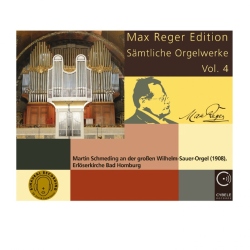
Chorale Fantasia "Don't punish me in your anger", Op. 40/2
Phantasie für Orgel über den Choral 'Straf mich nicht in deinem Zorn!' op. 40 Nr. 2
14:9
3
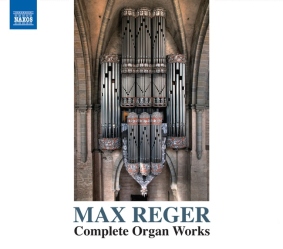
13:51
4
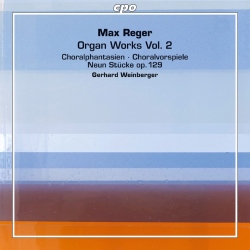
Chorale Fantasia "Don't punish me in your anger", Op. 40/2
Phantasie Über den Choral, Straf mich nicht in deinem Zorn Op. 40/Nr. 2
17:2
5
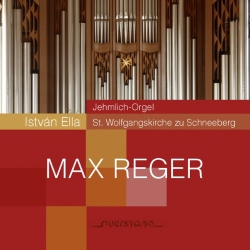
Chorale Fantasia "Don't punish me in your anger", Op. 40/2
Choralfantasie "Straf mich nicht in deinem Zorn", Op. 40/2
14:44
6
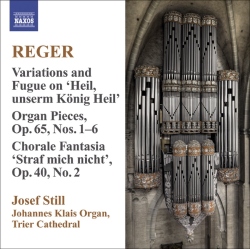
13:51
7
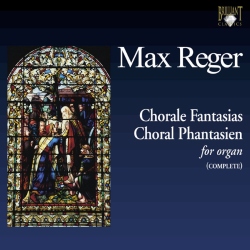
14:10