William Lawes
Divisions on a Pavan in G minor
Released Album
Recent Album
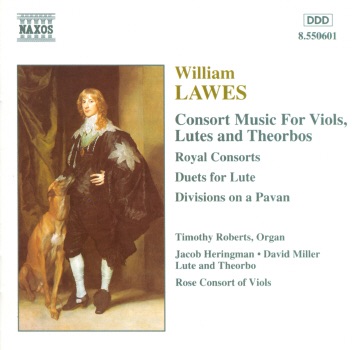
Featured Album
Works Info
Composer:William LawesGenre:OrchestralStyle:PavaneAverage_duration:6:09William Lawes was an English composer and musician who lived during the 17th century. He was known for his contributions to the development of instrumental music in England, particularly in the genre of consort music. One of his most famous works is "Divisions on a Pavan in G minor," which was composed for viol consort. The piece was composed in the early 1630s, during the reign of King Charles I. It was likely premiered at court, where Lawes was a member of the royal music establishment. The work consists of a set of variations on a pavan, a slow and stately dance form popular in the Renaissance and Baroque periods. The piece is divided into six movements, each of which features a different set of variations on the pavan theme. The first movement is a simple statement of the theme, played by the viol consort. The subsequent movements feature increasingly complex variations, with the viol parts becoming more virtuosic and ornamented. One of the most notable characteristics of Lawes' "Divisions on a Pavan in G minor" is its use of dissonance and chromaticism. Lawes was known for his innovative approach to harmony, and this piece is no exception. The variations often feature unexpected harmonies and sudden shifts in tonality, creating a sense of tension and drama. Another characteristic of the piece is its use of counterpoint. The viol parts are intricately woven together, creating a rich and complex texture. The variations often feature imitative passages, where one viol part echoes or imitates another. Overall, "Divisions on a Pavan in G minor" is a masterful example of English consort music. It showcases Lawes' skill as a composer and his innovative approach to harmony and counterpoint. The piece remains popular among early music enthusiasts and is frequently performed and recorded today.More....