Charles Tomlinson Griffes
Wohl lag ich einst in Gram und Schmerz, A. 7
Released Album
Recent Album
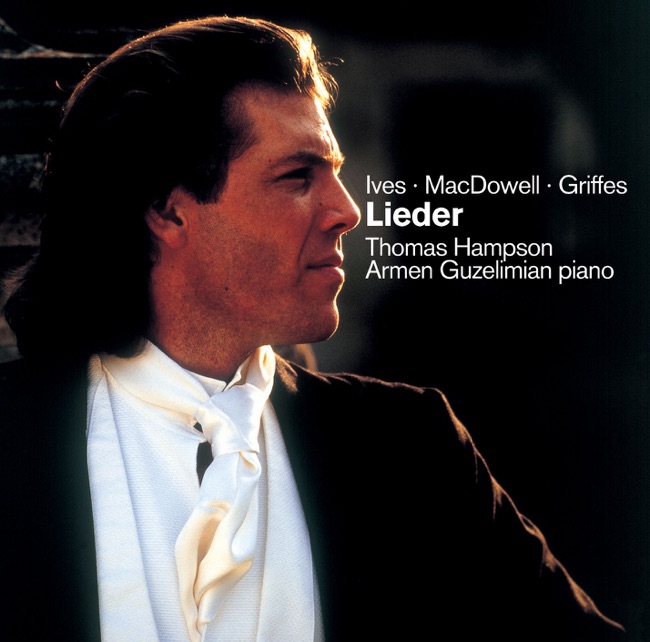
Works Info
Composer:Charles Tomlinson GriffesGenre:VocalStyle:Vocal MusicCompose Date:1903 - 1909Publication Date:1909First Performance:Mar 15, 1910Average_duration:0:53'Wohl lag ich einst in Gram und Schmerz, A. 7' is a song composed by Charles Tomlinson Griffes in 1912. It was premiered in New York City on March 12, 1913, by the soprano Elizabeth Lennox and the composer himself on the piano. The song is part of a set of six Lieder, Op. 7, based on poems by the German poet Friedrich Rückert. The song is in the key of F minor and has a slow tempo marked "Sehr langsam und schmerzvoll" (very slow and painful). It is divided into three sections, each with a different character and mood. The first section is marked "Sehr ruhig und innig" (very calm and intimate) and features a simple, repetitive piano accompaniment that sets the melancholic tone of the song. The vocal line is also simple and understated, with long, sustained notes that convey a sense of resignation and sadness. The second section is marked "Etwas bewegter" (somewhat more animated) and features a more complex piano accompaniment that adds tension and drama to the music. The vocal line becomes more agitated and expressive, with sudden leaps and changes in dynamics that reflect the emotional turmoil of the text. The third section is marked "Sehr langsam und schmerzvoll" (very slow and painful) and returns to the calm, introspective mood of the opening. The piano accompaniment is sparse and delicate, with gentle arpeggios that evoke a sense of longing and nostalgia. The vocal line is also subdued, with soft, whispered phrases that convey a sense of resignation and acceptance. Overall, 'Wohl lag ich einst in Gram und Schmerz, A. 7' is a haunting and deeply emotional song that showcases Griffes' skill at setting text to music. The simple, understated vocal line and repetitive piano accompaniment create a sense of melancholic introspection that perfectly captures the mood of the poem. The sudden shifts in dynamics and mood add drama and tension to the music, while the delicate, sparse piano accompaniment in the final section creates a sense of longing and nostalgia that lingers long after the song has ended.More....
Works Music