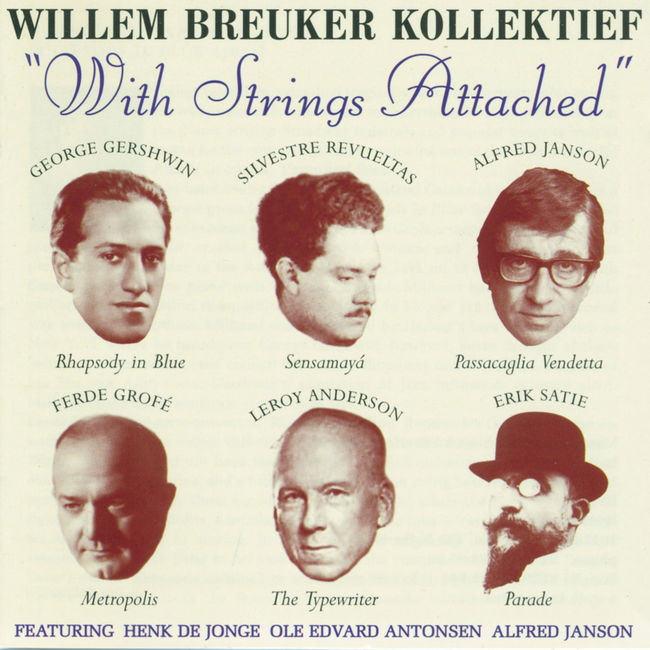
Ferde Grofé
Metropolis: a Fantasy in Blue
Works Info
Composer:Ferde GroféGenre:OrchestralStyle:OrchestralCompose Date:1928Average_duration:16:56Metropolis: A Fantasy in Blue is a symphonic work composed by Ferde Grofé in 1928. It was inspired by the futuristic city depicted in the 1927 silent film Metropolis, directed by Fritz Lang. The piece premiered on November 28, 1928, at Carnegie Hall in New York City, with Grofé conducting the Paul Whiteman Orchestra. The work is divided into three movements, each representing a different aspect of the city. The first movement, "Dawn," depicts the awakening of the city with a gentle, flowing melody that gradually builds in intensity. The second movement, "The City," is the longest and most complex of the three. It features a variety of musical themes and motifs that represent the different aspects of the city, from the bustling streets to the towering skyscrapers. The movement also includes a section that represents the workers of the city, with a pounding, rhythmic beat that evokes the sound of machinery. The final movement, "The Tower of Babel," is the most dramatic and intense of the three. It represents the hubris of the city's leaders and their attempts to build a tower that reaches the heavens. The music is dark and foreboding, with dissonant chords and ominous brass fanfares. The movement builds to a frenzied climax before ending with a somber, reflective coda. Overall, Metropolis: A Fantasy in Blue is a highly evocative and imaginative work that captures the spirit of the futuristic city depicted in the film. Grofé's use of orchestration and musical motifs creates a vivid sonic landscape that brings the city to life. The work is also notable for its use of jazz and popular music elements, which were a hallmark of Grofé's style.More....