Johann Ludwig Krebs
Prelude & Fugue in B flat major, Krebs-WV 823
Released Album
Recent Album
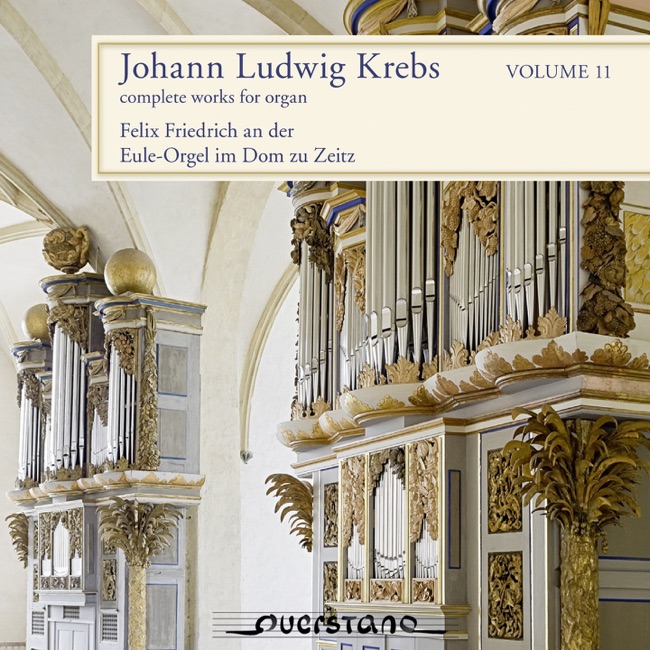

Works Info
Composer:Johann Ludwig KrebsGenre:KeyboardAverage_duration:6:30Movement_count:2Movement ....Johann Ludwig Krebs was a German composer and organist who lived from 1713 to 1780. He was a student of Johann Sebastian Bach and was greatly influenced by his music. One of Krebs' most famous works is the Prelude & Fugue in B flat major, Krebs-WV 823. The Prelude & Fugue in B flat major was composed by Krebs in the Baroque era. The exact date of composition is unknown, but it is believed to have been written in the mid-18th century. The piece was first premiered in the 20th century, long after Krebs' death. The Prelude & Fugue in B flat major consists of two movements: a prelude and a fugue. The prelude is a short, lively piece that sets the tone for the fugue. It is written in a fast tempo and features a lot of ornamentation and virtuosic passages. The prelude is in binary form, with two contrasting sections that are repeated. The fugue is the main part of the piece and is written in a more complex and structured form. It is a four-voice fugue, which means that there are four separate parts that interweave and overlap throughout the piece. The fugue is based on a single theme that is introduced at the beginning and then developed and transformed throughout the piece. One of the characteristics of Krebs' Prelude & Fugue in B flat major is its use of counterpoint. Counterpoint is a technique in which two or more melodies are played simultaneously, creating a complex and harmonically rich texture. Krebs was a master of counterpoint, and this piece showcases his skill in this area. Another characteristic of the piece is its use of ornamentation. Ornamentation is the addition of decorative notes or flourishes to a melody. Krebs' Prelude & Fugue in B flat major features a lot of ornamentation, which adds to the virtuosic and lively nature of the piece. Overall, Johann Ludwig Krebs' Prelude & Fugue in B flat major, Krebs-WV 823, is a masterful example of Baroque music. Its use of counterpoint and ornamentation, as well as its complex structure, make it a challenging and rewarding piece for performers and listeners alike.More....
Works Music
Released Music
2
2:27
3
2:47
4
2:33