


Florent Schmitt
Antoine et Cléopâtre No. 1, Op. 69a
Released Album
Recent Album

Featured Album
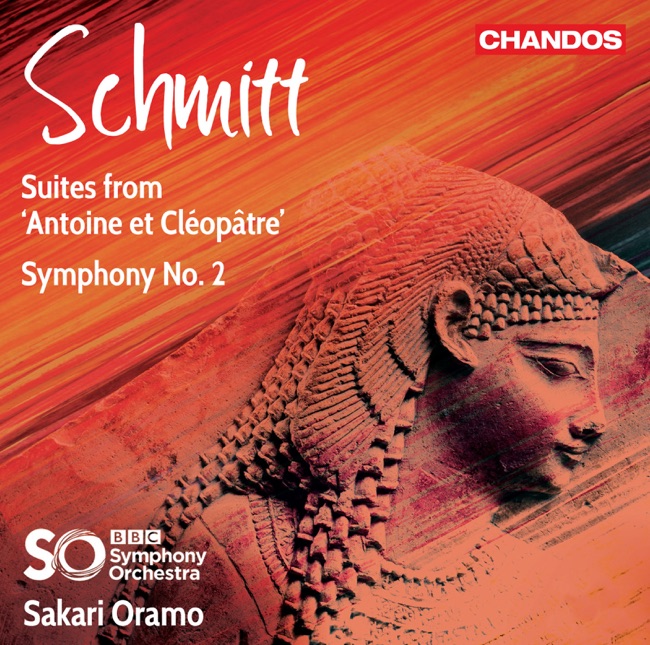
Works Info
Composer:Florent SchmittGenre:OrchestralCompose Date:1920Average_duration:23:26Movement_count:3Movement ....Florent Schmitt's Antoine et Cléopâtre No. 1, Op. 69a is a symphonic poem that was composed in 1920. It was premiered on January 30, 1921, by the Orchestre Lamoureux in Paris, conducted by Camille Chevillard. The piece is divided into three movements, each of which depicts a different aspect of the story of Antony and Cleopatra. The first movement, titled "La Mort de Cléopâtre" (The Death of Cleopatra), is a slow and mournful piece that depicts the suicide of Cleopatra. The music is characterized by its use of chromaticism and dissonance, which create a sense of tension and unease. The movement features a solo violin that represents Cleopatra's voice, and the music builds to a dramatic climax as she takes her own life. The second movement, titled "La Nuit à Samarcande" (Night in Samarkand), is a more upbeat and lively piece that depicts the celebration of Antony and Cleopatra's victory over their enemies. The music is characterized by its use of exotic scales and rhythms, which create a sense of mystery and excitement. The movement features a solo trumpet that represents Antony's voice, and the music builds to a frenzied climax as the celebration reaches its peak. The third movement, titled "La Bataille d'Actium" (The Battle of Actium), is a fast and intense piece that depicts the final battle between Antony and Cleopatra and their enemies. The music is characterized by its use of driving rhythms and brass fanfares, which create a sense of urgency and conflict. The movement features a solo trombone that represents the voice of Antony's enemy, and the music builds to a dramatic climax as Antony and Cleopatra are defeated. Overall, Antoine et Cléopâtre No. 1, Op. 69a is a powerful and evocative piece of music that captures the drama and emotion of the story of Antony and Cleopatra. Schmitt's use of orchestration and musical techniques creates a vivid and immersive experience for the listener, and the piece remains a popular and influential work in the repertoire of symphonic music.More....
Works Music
Released Music

Featured Music
