


Gregorian Chant
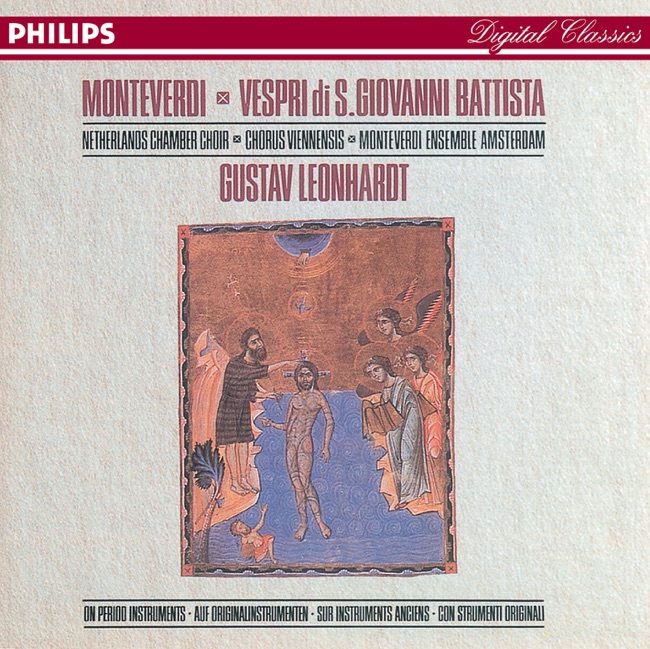
Inter natos, for the vespers of St. John the Baptist
Released Album
Recent Album
Featured Album
Works Info
Composer:Gregorian ChantGenre:ChoralAverage_duration:0:22Inter natos, for the vespers of St. John the Baptist, is a Gregorian chant that was composed in the Middle Ages. The exact date of its composition is unknown, but it is believed to have been written in the 9th or 10th century. The chant was originally performed during the vespers service on the feast day of St. John the Baptist, which is celebrated on June 24th. Inter natos is a hymn that is divided into three movements. The first movement is a solo chant that is sung by a cantor. The second movement is a response that is sung by the choir. The third movement is a repetition of the first movement, sung by the cantor. The characteristics of Inter natos are typical of Gregorian chant. The melody is simple and monophonic, meaning that it is sung by a single voice without accompaniment. The rhythm is free-flowing and follows the natural rhythm of the Latin text. The chant is sung in a modal system, which is a system of scales that were used in medieval music. The text of Inter natos is a hymn of praise to St. John the Baptist. It begins with the words "Inter natos mulierum" which means "Among those born of women." The text goes on to describe St. John as a prophet and a messenger of God. The hymn also asks for St. John's intercession and protection. Inter natos is still performed today in churches that follow the traditional Latin liturgy. The chant is considered to be one of the most beautiful and profound examples of Gregorian chant. Its simple melody and powerful text continue to inspire and uplift listeners today, just as they did in the Middle Ages.More....
Works Music
Released Music
Featured Music
1
Internatos, for the vespers of St. John the Baptist
Antiphon IV: Inter natos mulierum non surrexit
18