Luca Marenzio
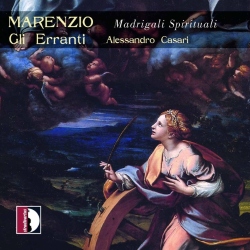
Qual mormorio soave (Madrigali spirituali a 5 voci)
Released Album
Recent Album

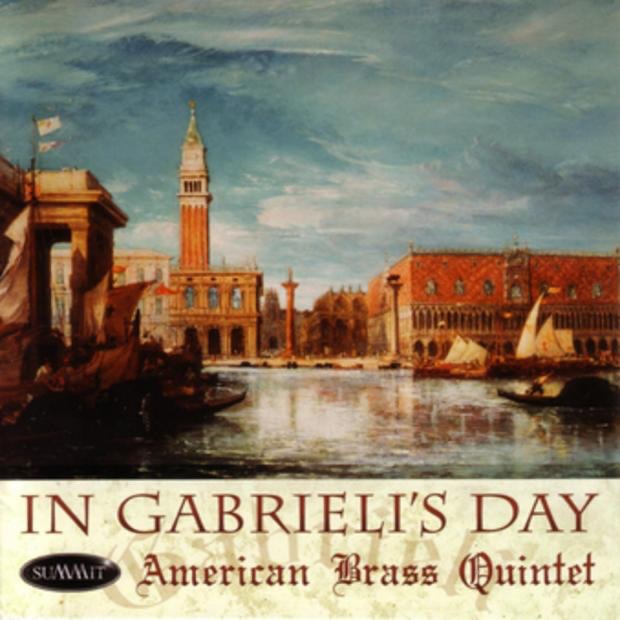
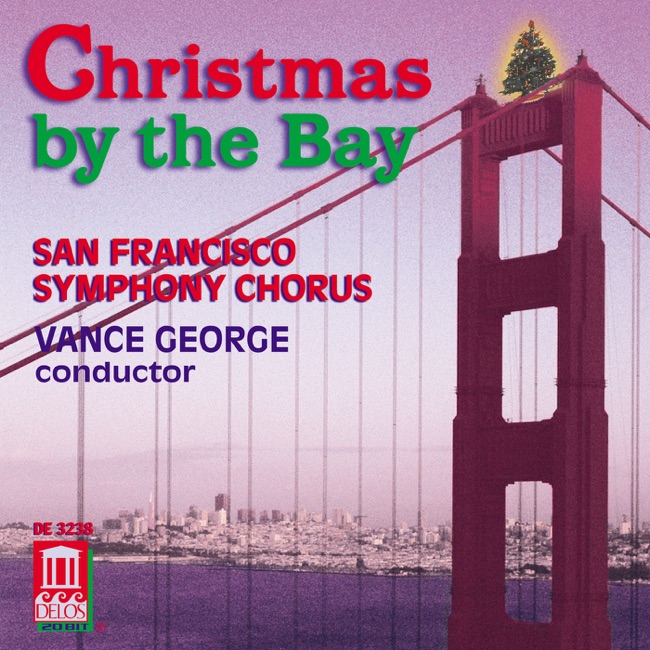
Works Info
Composer:Luca MarenzioGenre:VocalStyle:Vocal MusicPublication Date:1584Average_duration:3:23"Qual mormorio soave" is a spiritual madrigal composed by Luca Marenzio, an Italian composer of the late Renaissance period. The piece was composed in the late 16th century and was first performed in Rome in 1595. It is part of a collection of spiritual madrigals for five voices, which were published in 1584. The piece is divided into three movements, each with its own distinct character. The first movement is marked "Allegro" and is characterized by its lively and energetic tempo. The second movement is marked "Adagio" and is much slower and more contemplative in nature. The final movement is marked "Allegro" and returns to the lively and energetic tempo of the first movement. The piece is known for its beautiful harmonies and intricate polyphonic textures. Marenzio was a master of counterpoint, and this piece showcases his skill in weaving together multiple melodic lines to create a rich and complex musical tapestry. The piece is also notable for its use of word painting, with the music reflecting the meaning of the text in subtle and nuanced ways. The text of the piece is a meditation on the beauty of nature and the divine presence that can be found within it. The opening lines, "Qual mormorio soave / Di fronde e d'erbe al vento," describe the gentle rustling of leaves and grass in the wind, and the music reflects this with its light and airy textures. Later in the piece, the text speaks of the "sacro mistero" of nature and the way in which it reveals the presence of God, and the music becomes more complex and harmonically rich, reflecting the depth and complexity of this idea. Overall, "Qual mormorio soave" is a beautiful and complex piece of music that showcases Marenzio's skill as a composer and his deep spiritual sensibility. Its intricate polyphony and subtle word painting make it a masterpiece of the late Renaissance period, and it continues to be performed and admired by musicians and audiences today.More....
Works Music
Released Music
1
3:8