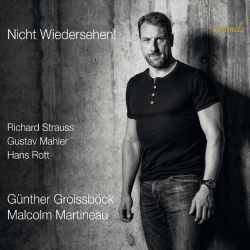
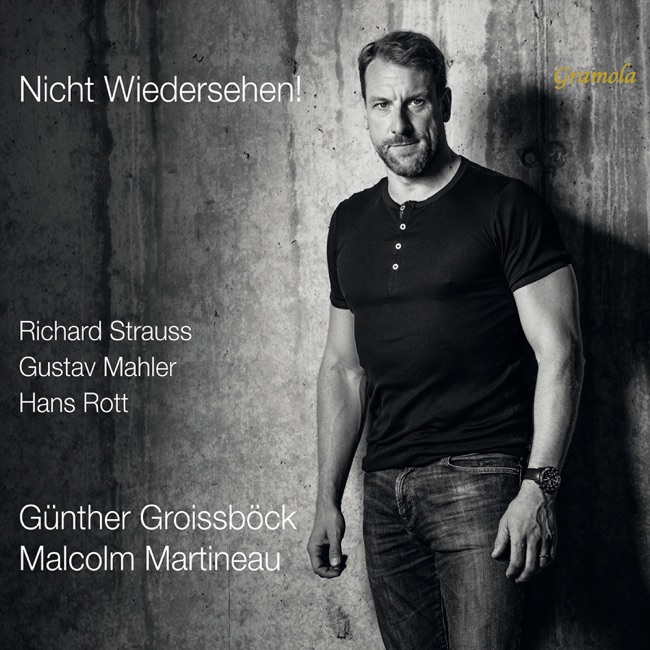
Richard Strauss
Der Einsame, Op. 51/2
Released Album
Recent Album
Works Info
Composer:Richard StraussGenre:VocalStyle:Vocal MusicCompose Date:1906Average_duration:4:03"Der Einsame, Op. 51/2" is a song composed by Richard Strauss in 1901. It was premiered on January 26, 1902, in Berlin, with the composer himself at the piano and the baritone singer Anton Sistermans. The song is part of a collection of six songs for voice and piano, titled "Sechs Lieder, Op. 51," which Strauss composed between 1900 and 1901. "Der Einsame" is the second song of the collection and is based on a poem by Karl Henckell. The poem tells the story of a lonely man who wanders through the forest, seeking solace in nature. The man reflects on his past and his lost love, and he longs for death to end his suffering. The music reflects the melancholic and introspective mood of the poem, with a slow and mournful melody that is accompanied by a simple and repetitive piano accompaniment. The song is divided into three sections, each with a different tempo and character. The first section is marked "Sehr langsam" (very slow) and is sung in a low and somber register. The second section is marked "Etwas bewegter" (somewhat faster) and features a more agitated melody that reflects the man's inner turmoil. The third section returns to the slow and mournful character of the beginning, with the singer repeating the opening lines of the poem as a lament. "Der Einsame" is a typical example of Strauss's late Romantic style, with its emphasis on emotional expression and rich harmonies. The song is characterized by its use of chromaticism, which creates a sense of tension and instability, and its use of dissonance, which adds to the melancholic mood of the music. The piano accompaniment is simple and repetitive, providing a steady foundation for the singer's expressive melody. Overall, "Der Einsame" is a powerful and moving song that captures the essence of Romanticism. Its introspective and melancholic character reflects the themes of isolation and longing that are central to the poetry of the time. The song remains a popular choice for baritone singers and is considered one of Strauss's most beautiful and poignant compositions.More....