Antonio de Cabezón
Pange lingua IV
Released Album
Recent Album
Works Info
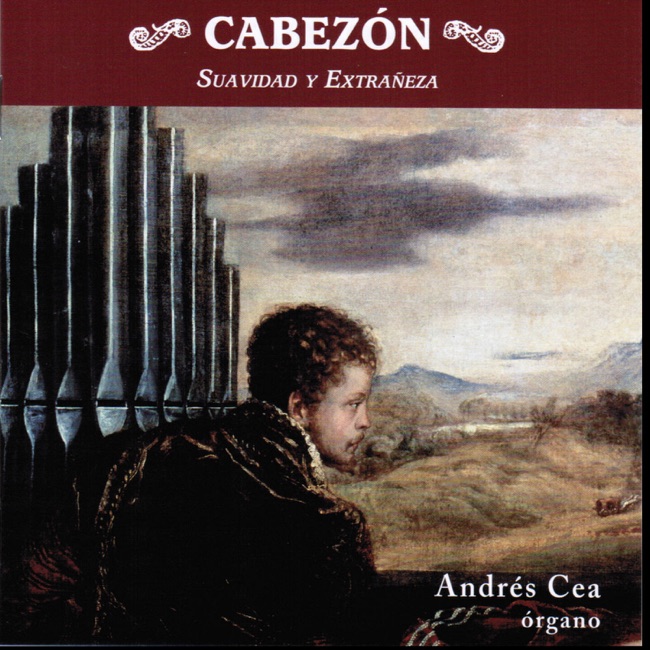
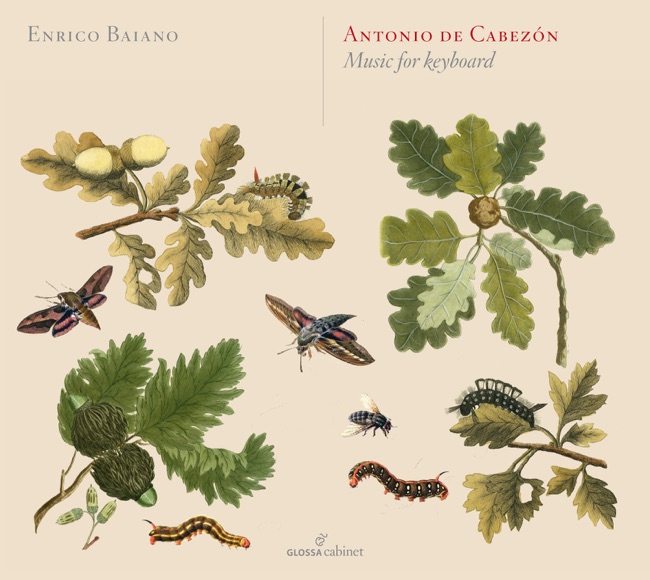
Composer:Antonio de CabezónGenre:KeyboardStyle:KeyboardAverage_duration:2:56Antonio de Cabezón was a Spanish composer and organist who lived during the Renaissance period. He was born in 1510 in Castrillo Mota de Judíos, Burgos, and died in 1566 in Madrid. Cabezón was one of the most important composers of his time, and his works were highly regarded by his contemporaries. One of Cabezón's most famous works is "Pange lingua IV," which is a set of variations on the hymn "Pange lingua gloriosi corporis mysterium." The hymn is traditionally sung on Holy Thursday during the procession of the Blessed Sacrament. Cabezón's variations were composed for the organ, and they are considered to be some of the finest examples of Spanish keyboard music from the Renaissance period. "Pange lingua IV" was composed in the mid-16th century, and it was first performed in the Royal Chapel in Madrid. The work consists of six movements, each of which is a variation on the hymn. The first movement is a simple statement of the melody, while the subsequent movements become increasingly complex and virtuosic. The second movement is a variation in which the melody is played in the left hand while the right hand plays a series of fast-moving arpeggios. The third movement is a variation in which the melody is played in the right hand while the left hand plays a series of fast-moving arpeggios. The fourth movement is a variation in which the melody is played in the pedals while the hands play a series of fast-moving arpeggios. The fifth movement is a variation in which the melody is played in the right hand while the left hand plays a series of slow-moving chords. The final movement is a variation in which the melody is played in the pedals while the hands play a series of fast-moving arpeggios. The characteristics of "Pange lingua IV" are typical of Renaissance keyboard music. The work is highly contrapuntal, with each voice having its own independent melody. The variations are also highly virtuosic, with fast-moving arpeggios and complex rhythms. The work is also highly expressive, with each variation conveying a different mood or emotion. Overall, "Pange lingua IV" is a masterpiece of Renaissance keyboard music, and it remains a popular work among organists and music lovers today.More....
Works Music
Released Music