Max Reger
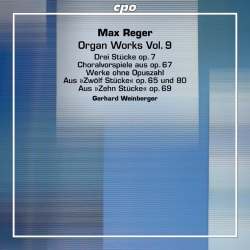
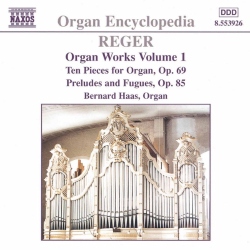
Pieces (10) for organ, Op. 69
Released Album
Recent Album

Works Info
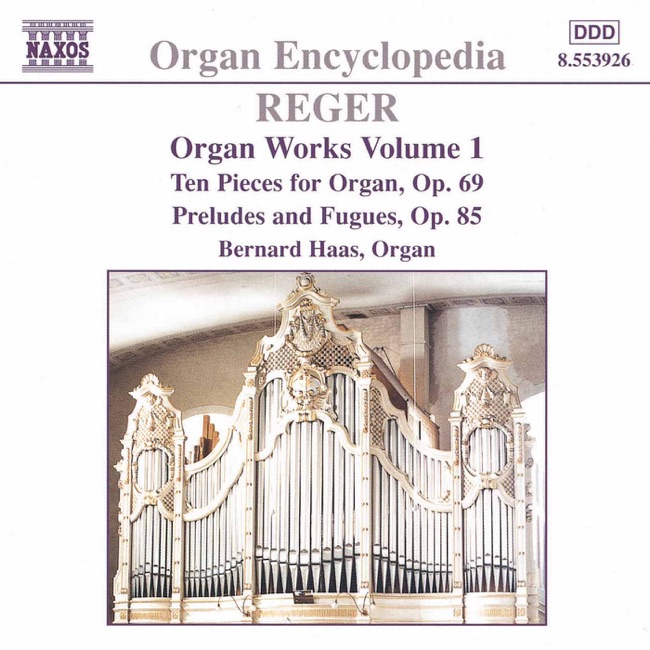
Composer:Max RegerGenre:KeyboardStyle:KeyboardCompose Date:1903Average_duration:36:38Movement_count:10Movement ....Max Reger's 'Pieces (10) for organ, Op. 69' is a collection of ten pieces for solo organ. The work was composed in 1902 and premiered in the same year in Munich, Germany. The ten movements are as follows: 1. Introduction and Passacaglia in D minor 2. Chorale Fantasy on "Wachet auf, ruft uns die Stimme" 3. Toccata and Fugue in D minor 4. Benedictus in D major 5. Fugue in D major 6. Chorale Fantasy on "Ein feste Burg ist unser Gott" 7. Fugue in G minor 8. Chorale Fantasy on "Straf mich nicht in deinem Zorn" 9. Fugue in B minor 10. Chorale Fantasy on "Wie schön leuchtet der Morgenstern" The 'Pieces (10) for organ, Op. 69' is a significant work in the organ repertoire, showcasing Reger's mastery of counterpoint and his ability to create complex and intricate textures. The work is characterized by its use of chromaticism, dissonance, and dense harmonies, which are typical of Reger's style. The work also features a variety of forms, including passacaglia, toccata, fugue, and chorale fantasy. The first movement, Introduction and Passacaglia in D minor, is a grand and imposing piece that sets the tone for the rest of the work. The passacaglia theme is introduced in the pedal and is then developed throughout the movement, with the introduction providing a contrasting section. The second movement, Chorale Fantasy on "Wachet auf, ruft uns die Stimme," is a virtuosic piece that showcases Reger's skill in creating complex textures. The movement is based on the Lutheran hymn "Sleepers, Wake!" and features a variety of techniques, including pedal solos, fugues, and chorale settings. The third movement, Toccata and Fugue in D minor, is a dramatic and powerful piece that features a virtuosic toccata section followed by a complex fugue. The fourth movement, Benedictus in D major, is a serene and contemplative piece that features a simple melody in the right hand accompanied by a flowing accompaniment in the left hand. The fifth movement, Fugue in D major, is a complex and intricate fugue that showcases Reger's skill in counterpoint. The sixth movement, Chorale Fantasy on "Ein feste Burg ist unser Gott," is a grand and imposing piece that features a variety of techniques, including pedal solos, fugues, and chorale settings. The seventh movement, Fugue in G minor, is a complex and intricate fugue that features a variety of textures and harmonies. The eighth movement, Chorale Fantasy on "Straf mich nicht in deinem Zorn," is a virtuosic piece that features a variety of techniques, including pedal solos, fugues, and chorale settings. The ninth movement, Fugue in B minor, is a complex and intricate fugue that features a variety of textures and harmonies. The final movement, Chorale Fantasy on "Wie schön leuchtet der Morgenstern," is a grand and imposing piece that features a variety of techniques, including pedal solos, fugues, and chorale settings. Overall, 'Pieces (10) for organ, Op. 69' is a significant work in the organ repertoire that showcases Reger's mastery of counterpoint and his ability to create complex and intricate textures. The work is characterized by its use of chromaticism, dissonance, and dense harmonies, which are typical of Reger's style.More....
Works Music
Released Music