


Franz Liszt
Wedding March & Dance of the Elves (after Mendelssohn: Midsummer Night's Dream), S. 410
Released Album
Recent Album
-
-
-
-
-
-
-
-
 Albert MamrievOctober 3, 2005
 -
-
-
-
Works Info
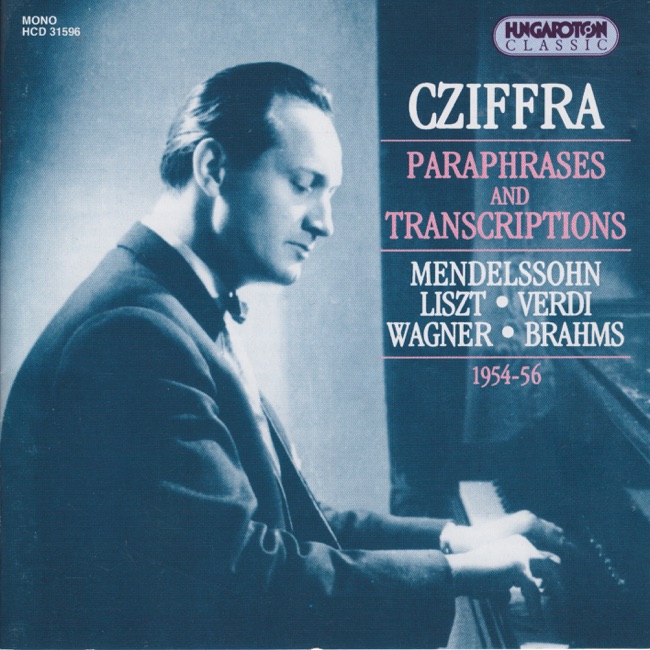
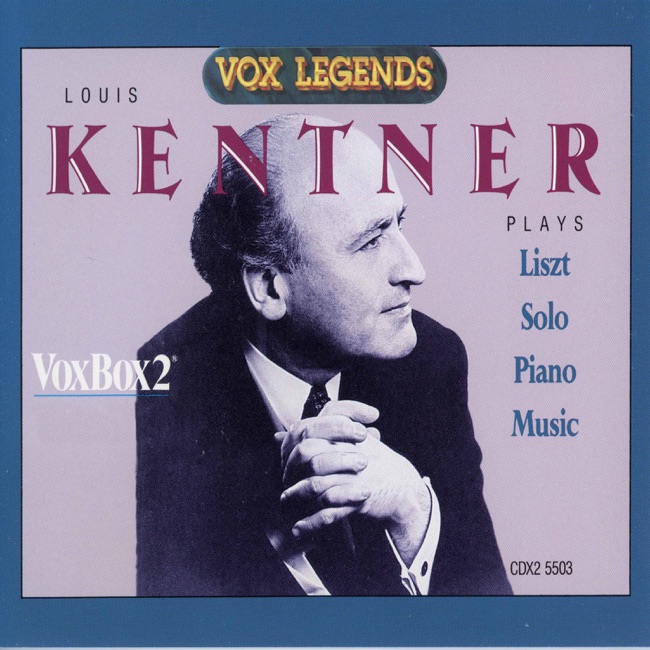
Composer:Franz LisztGenre:KeyboardStyle:MarchCompose Date:1849 - 1851Publication Date:1851Average_duration:8:40Franz Liszt's "Wedding March & Dance of the Elves (after Mendelssohn: Midsummer Night's Dream), S. 410" is a piano transcription of two pieces from Felix Mendelssohn's incidental music to Shakespeare's play "A Midsummer Night's Dream." Liszt composed this transcription in 1849, and it premiered in the same year. The first movement, the Wedding March, is a well-known piece that is often played at weddings. It is a joyful and celebratory piece that captures the excitement and happiness of a wedding ceremony. Liszt's transcription stays true to Mendelssohn's original composition, but he adds his own virtuosic flourishes to the piece, making it more challenging and impressive for pianists to play. The second movement, Dance of the Elves, is a lively and playful piece that captures the mischievous nature of the elves in the play. Liszt's transcription of this piece is more complex than Mendelssohn's original, with intricate runs and arpeggios that showcase the pianist's technical abilities. Overall, Liszt's transcription of Mendelssohn's "Wedding March & Dance of the Elves" is a masterful work that highlights both composers' talents. The piece is characterized by its joyful and celebratory nature, as well as its technical demands on the pianist. It remains a popular piece in the classical piano repertoire to this day.More....
Works Music
Released Music
1

10:1
2
10:40
3
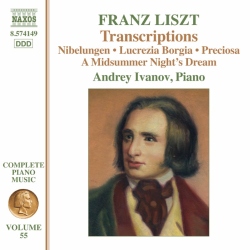
Wedding March & Dance of the Elves (after Mendelssohn: Midsummer Night's Dream), p. 410
A Midsummer Night's Dream: Wedding March and Dance of the Fairies, S410/R219
10:13
4
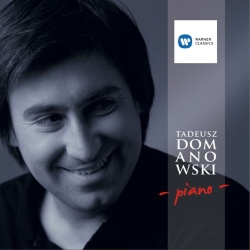
Wedding March & Dance of the Elves (after Mendelssohn: Midsummer Night's Dream), p. 410
Variations on Mendelssohn's Wedding March
4:40
5
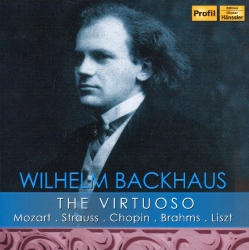
Wedding March & Dance of the Elves (after Mendelssohn: Midsummer Night's Dream), p. 410
Paraphrase über Hochzeitsmarsch und Elfenreigen
7:25
6
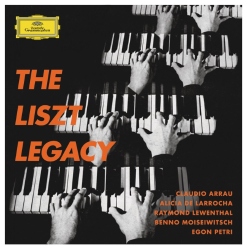
Wedding March & Dance of the Elves (after Mendelssohn: Midsummer Night's Dream), p. 410
Sommernachtstraum (A Midsummer Night's Dream), S. 410: Hochzeitsmarsch und Elfenreigen (Wedding March and Elfin Chorus)
8:50
7

Wedding March & Dance of the Elves (after Mendelssohn: Midsummer Night's Dream), p. 410
Wedding March & Dance of the Fairies S 410 (Mendelssohn)
6:2
8
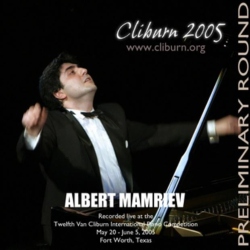
4:9
9
4:43
10
9:55