David Willcocks
Resonemus laudibus
Released Album
Recent Album
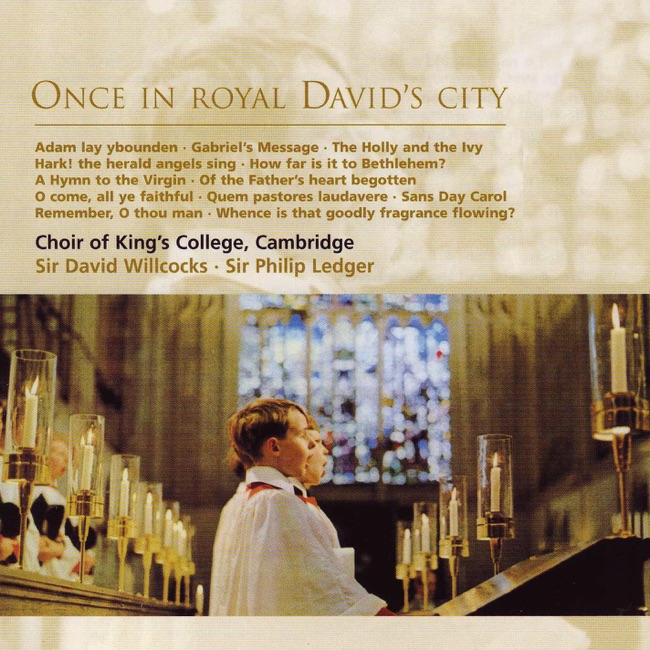
Featured Album
Works Info
Composer:David WillcocksGenre:ChoralAverage_duration:1:55"Resonemus laudibus" is a choral work composed by David Willcocks, a renowned British composer, conductor, and organist. The piece was composed in 1961 and premiered in the same year by the Choir of King's College, Cambridge, under the direction of Willcocks himself. The piece is divided into three movements, each with its own distinct characteristics. The first movement, "Resonemus laudibus," is a joyful and celebratory piece that features a lively tempo and a bright, major key. The choir sings in unison, with occasional harmonies and counterpoint, and the piece is punctuated by a series of short instrumental interludes. The second movement, "O magnum mysterium," is a more contemplative and introspective piece. The tempo is slower, and the key is minor, giving the piece a more somber and reflective tone. The choir sings in four-part harmony, with a focus on the lower voices, and the piece is characterized by its rich, complex harmonies and lush, expressive melodies. The final movement, "Gloria in excelsis Deo," is a triumphant and exultant piece that brings the work to a rousing conclusion. The tempo is fast, and the key is once again major, giving the piece a bright and joyful character. The choir sings in four-part harmony, with a focus on the upper voices, and the piece is characterized by its energetic rhythms, soaring melodies, and exuberant choral writing. Overall, "Resonemus laudibus" is a masterful choral work that showcases Willcocks' skill as a composer and his deep understanding of choral music. The piece is characterized by its rich harmonies, expressive melodies, and varied textures, and it remains a beloved and frequently performed work in the choral repertoire.More....
Works Music
Released Music
Featured Music