Charles Avison
Concerto No. 12 in A Major, Op. 6/12
Released Album
Recent Album
Works Info
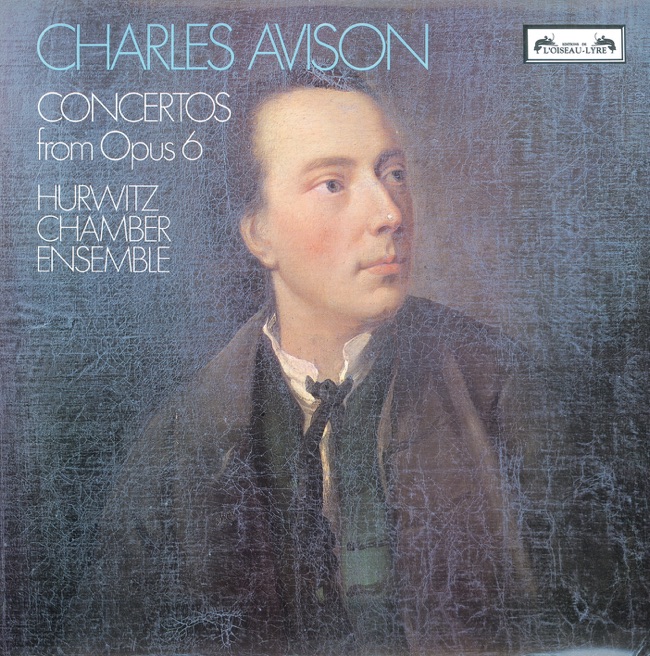
Composer:Charles AvisonGenre:ConcertoStyle:Concerto GrossoAverage_duration:11:07Movement_count:3Movement ....Charles Avison was an English composer and organist who lived from 1709 to 1770. He is best known for his concertos, which were written in the Baroque style but with a distinctively English character. One of his most famous works is Concerto No. 12 in A Major, Op. 6/12. This concerto was composed in the mid-18th century and was first performed in Newcastle upon Tyne, England. It is part of a set of twelve concertos that Avison wrote for string orchestra, which were published in 1766 as Opus 6. The concertos are based on sonatas by the Italian composer Domenico Scarlatti, but Avison added his own touches to the music, including new harmonies and counterpoint. Concerto No. 12 in A Major is divided into three movements. The first movement is marked Allegro and is in sonata form. It begins with a lively theme played by the violins, which is then repeated by the other instruments. The second theme is more lyrical and is played by the cellos and basses. The two themes are developed throughout the movement, with the soloists taking turns playing virtuosic passages. The second movement is marked Andante and is in ternary form. It is a slow, lyrical piece that features a solo violin playing a beautiful melody. The other instruments provide a gentle accompaniment, with the violas and cellos playing pizzicato (plucked) notes. The final movement is marked Allegro and is in rondo form. It is a lively, dance-like piece that features a catchy theme played by the violins. The theme is repeated several times, with the soloists playing virtuosic passages in between. The movement ends with a lively coda that brings the concerto to a thrilling conclusion. Overall, Concerto No. 12 in A Major is a beautiful example of Baroque music with a distinctly English character. Avison's use of counterpoint and harmonies adds depth and complexity to the music, while the soloists' virtuosic passages showcase the skill of the performers. It remains a popular piece in the classical repertoire and is often performed by orchestras around the world.More....
Works Music
Released Music