Johann Georg Reutter
Concerto for trumpet, No. 2 in D
Released Album
Recent Album
Works Info
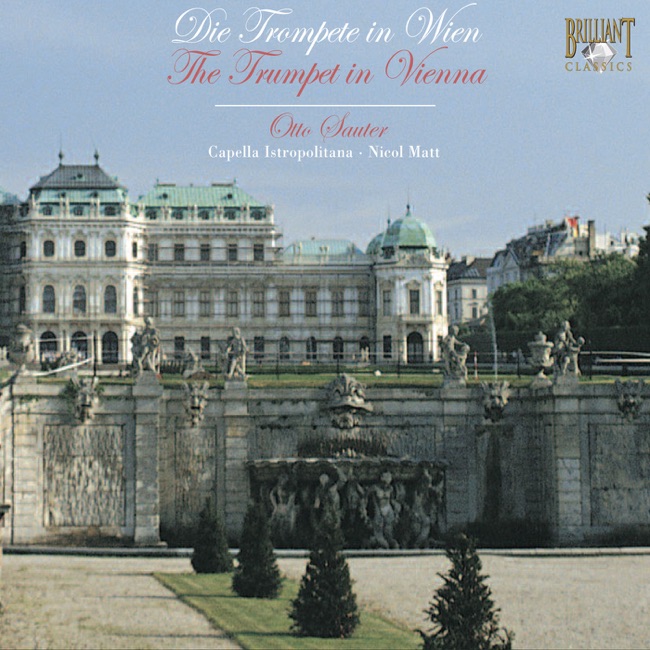
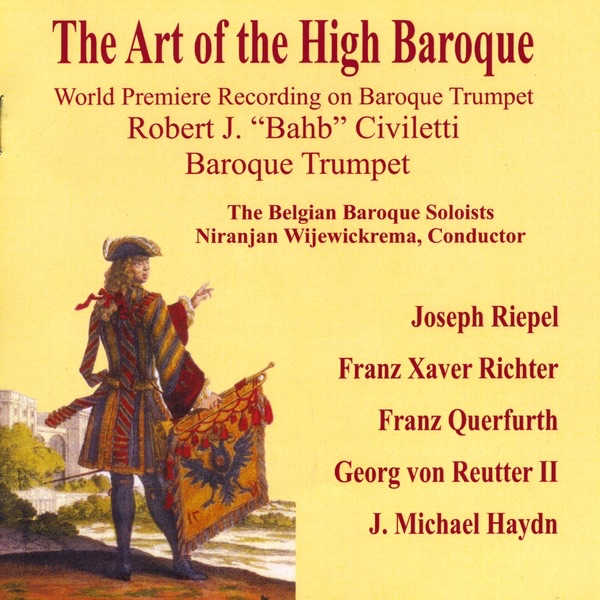
Composer:Johann Georg ReutterGenre:ConcertoStyle:ConcertoAverage_duration:11:10Movement_count:3Movement ....Johann Georg Reutter's Concerto for trumpet, No. 2 in D is a significant work in the trumpet repertoire. It was composed in the mid-18th century, and its premiere is believed to have taken place in Vienna, Austria. The concerto is divided into three movements, each with its own unique characteristics. The first movement, marked Allegro, is a lively and energetic piece that showcases the virtuosity of the trumpet. The soloist is accompanied by a small orchestra consisting of strings and continuo. The movement begins with a fanfare-like introduction, followed by a series of fast and intricate runs that demonstrate the technical abilities of the soloist. The orchestra provides a supportive and rhythmic accompaniment, with occasional interjections that add to the overall excitement of the piece. The second movement, marked Adagio, is a slower and more lyrical piece that allows the soloist to showcase their expressive abilities. The orchestra provides a simple and understated accompaniment, allowing the soloist to take center stage. The movement is characterized by long, flowing melodies that are both beautiful and poignant. The final movement, marked Allegro, is a fast and lively piece that brings the concerto to a thrilling conclusion. The soloist is once again featured prominently, with the orchestra providing a lively and rhythmic accompaniment. The movement is characterized by fast and intricate runs, with occasional pauses that add to the overall excitement of the piece. Overall, Reutter's Concerto for trumpet, No. 2 in D is a significant work in the trumpet repertoire. Its three movements showcase the technical and expressive abilities of the soloist, while the orchestra provides a supportive and rhythmic accompaniment. The concerto is a testament to Reutter's skill as a composer and his understanding of the capabilities of the trumpet.More....