


Antonio Vivaldi
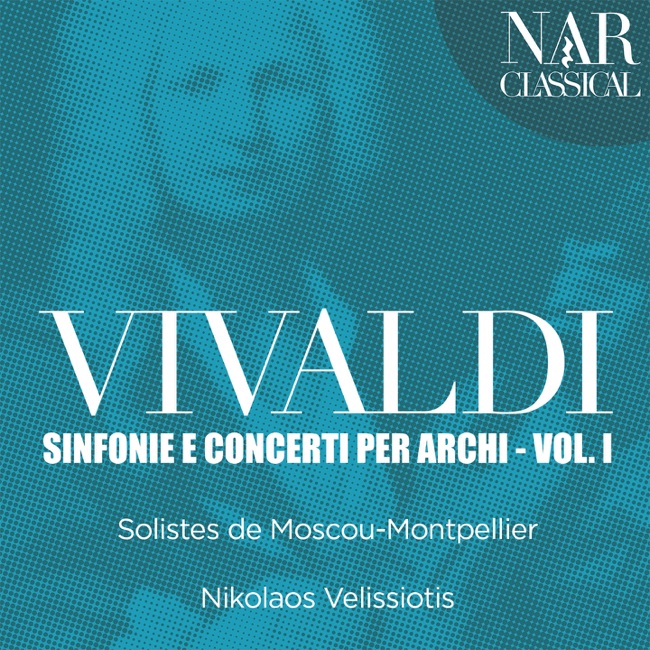
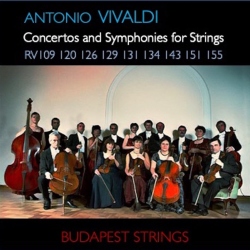
Concerto for strings & continuo in D major, RV 126
Released Album
Recent Album
Works Info
Composer:Antonio VivaldiGenre:ConcertoStyle:ConcertoCompose Date:1729 - 1730Average_duration:5:20Movement_count:3Movement ....Antonio Vivaldi's Concerto for strings & continuo in D major, RV 126, also known as "Il Riposo per il Santissimo Natale," was composed in the early 18th century. The piece was likely written for the Ospedale della Pietà, a Venetian orphanage where Vivaldi worked as a music teacher and composer. The concerto is in three movements: Allegro, Largo, and Allegro. The first movement is a lively and energetic Allegro, featuring a fast-paced melody that is passed between the different sections of the string orchestra. The second movement, Largo, is a slow and contemplative piece that showcases Vivaldi's skill at writing expressive and emotional music. The final movement, Allegro, returns to the lively and energetic style of the first movement, with a fast and intricate melody that is again passed between the different sections of the orchestra. One of the most notable characteristics of this concerto is its use of the continuo, a group of instruments that provide a harmonic foundation for the rest of the orchestra. In this piece, the continuo is made up of a harpsichord, cello, and bass, and it plays an important role in shaping the overall sound and texture of the music. Another characteristic of this concerto is its use of counterpoint, a technique in which multiple melodies are played simultaneously and interwoven to create a complex and harmonically rich sound. Vivaldi was a master of counterpoint, and this concerto is a prime example of his skill in this area. The premiere of this concerto is not well-documented, but it is likely that it was first performed at the Ospedale della Pietà, where Vivaldi was a prominent figure. Today, the piece remains a popular and beloved work in the string orchestra repertoire, and it is frequently performed and recorded by orchestras around the world.More....
Works Music
Released Music
1
2:29
2
1:37
3
1:34
4
1:44
5
1:47