Thomas Tomkins
In Nomine, for organ
Released Album
Recent Album
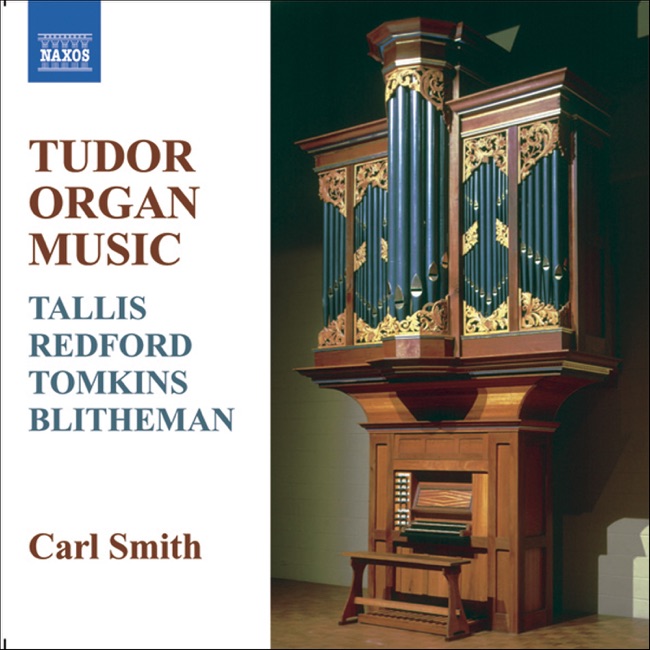
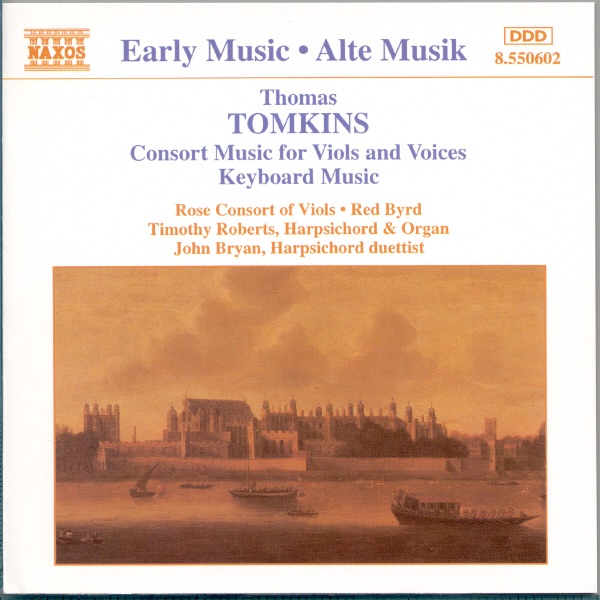
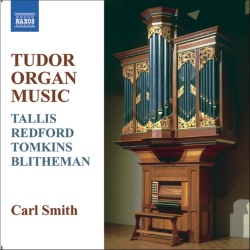
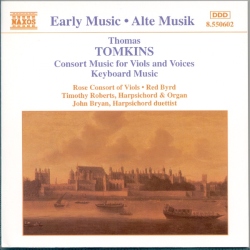
Works Info
Composer:Thomas TomkinsGenre:KeyboardStyle:KeyboardAverage_duration:3:41Thomas Tomkins was an English composer who lived from 1572 to 1656. He was a prolific composer of sacred and secular music, and his works were highly regarded during his lifetime. One of his most famous works is the "In Nomine" for organ, which was composed in the early 17th century. The "In Nomine" is a type of composition that was popular in England during the Renaissance. It is based on a plainchant melody called the "Gloria Tibi Trinitas," which was used as the basis for many instrumental works. The "In Nomine" is a type of variation on this melody, and it was often used as a prelude or postlude in church services. Tomkins' "In Nomine" is a set of variations for organ that is divided into six movements. The first movement is a simple statement of the "Gloria Tibi Trinitas" melody, played in the bass register of the organ. The second movement is a variation on this melody, with the upper voices playing a more elaborate version of the tune. The third movement is a slower, more contemplative variation, with the melody played in the upper register of the organ. The fourth movement is a lively dance-like variation, with the melody played in a syncopated rhythm. The fifth movement is a more complex variation, with the melody played in a series of overlapping voices. The final movement is a return to the simple statement of the melody, played in the bass register of the organ. The "In Nomine" is a beautiful example of Tomkins' skill as a composer. The variations are all based on the same melody, but each one is unique and interesting in its own way. The piece is also a testament to the popularity of the "In Nomine" form in England during the Renaissance, and it is a valuable addition to the repertoire of organ music from this period.More....
Works Music