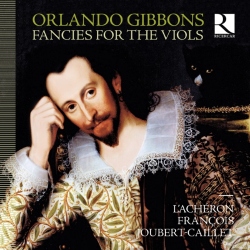
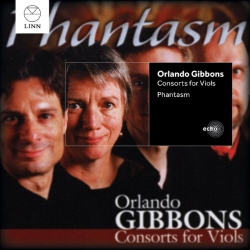
Orlando Gibbons
Galliard, for 6 viols, MB42
Released Album
Recent Album
Works Info
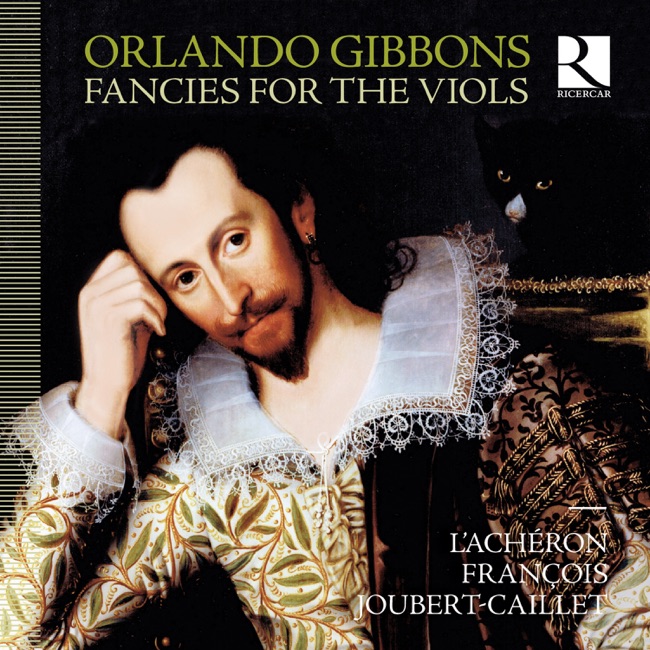
Composer:Orlando GibbonsGenre:ChamberStyle:GalliardAverage_duration:2:34Orlando Gibbons was an English composer and organist who lived from 1583 to 1625. He was a prominent figure in the English Renaissance and is known for his contributions to the development of keyboard music and the Anglican choral tradition. One of his most famous works is the "Galliard, for 6 viols, MB42," which was composed in the early 17th century. The "Galliard, for 6 viols, MB42" is a piece of instrumental music that was written for six viols, which are stringed instruments that were popular in the Renaissance and Baroque periods. The piece is in the key of G major and is composed of three movements. The first movement is in a lively tempo and features a series of intricate melodies that are passed between the different viols. The second movement is slower and more contemplative, with a more subdued melody that is played by the viols in unison. The final movement is a return to the lively tempo of the first movement, with a series of complex rhythms and melodies that build to a dramatic conclusion. One of the characteristics of Gibbons' music is his use of harmony and counterpoint. In the "Galliard, for 6 viols, MB42," he employs a variety of harmonic techniques, including suspensions, dissonances, and chromaticism, to create a rich and complex sound. He also uses counterpoint to great effect, with the different viols playing off of each other in intricate and sometimes unexpected ways. Another characteristic of Gibbons' music is his use of form. The "Galliard, for 6 viols, MB42" is a good example of this, with its three distinct movements that each have their own character and mood. Gibbons was known for his ability to create music that was both structured and expressive, and this piece is a testament to that skill. The "Galliard, for 6 viols, MB42" was likely composed in the early 17th century, although the exact date is not known. It was first performed in England, where it quickly became popular among musicians and audiences alike. Today, it is still considered one of Gibbons' most important works and is frequently performed by early music ensembles around the world.More....