Eugène Gigout
Rhapsodie sur des Airs Catalans
Released Album
Recent Album
Works Info
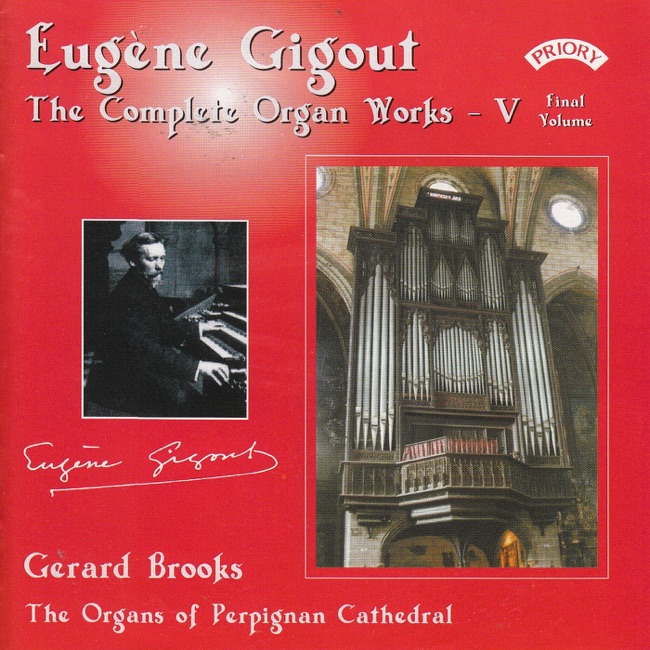
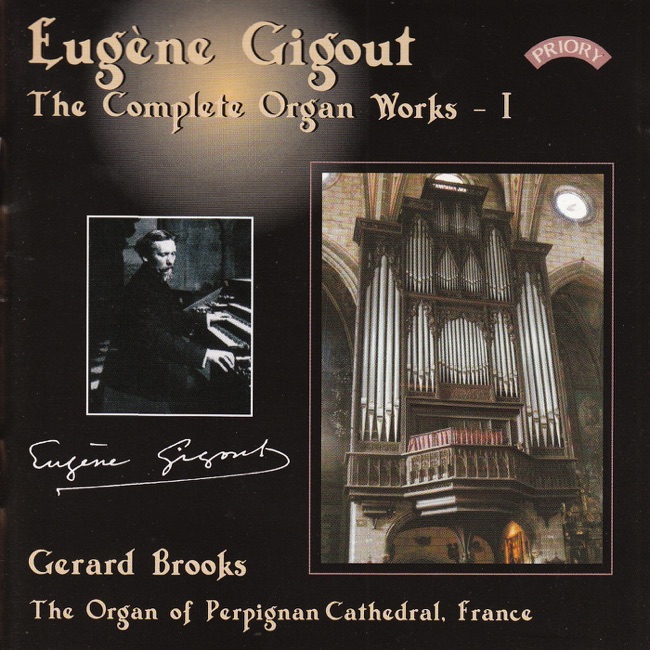
Composer:Eugène GigoutGenre:KeyboardStyle:KeyboardPublication Date:1891Average_duration:9:42Eugène Gigout's 'Rhapsodie sur des Airs Catalans' is a composition for organ that was composed in 1902. The piece was premiered on May 25, 1902, at the Church of Saint-Augustin in Paris, France. The composition is divided into three movements, each of which is characterized by its unique musical style and structure. The first movement of the 'Rhapsodie sur des Airs Catalans' is marked Allegro moderato and is based on a Catalan folk song. The movement begins with a lively and energetic theme that is introduced by the organ's solo trumpet. The theme is then developed and expanded upon by the organ's full range of registers, creating a rich and complex texture. The movement ends with a return to the original theme, which is played with renewed vigor and intensity. The second movement of the 'Rhapsodie sur des Airs Catalans' is marked Andante and is based on a traditional Catalan lullaby. The movement is characterized by its gentle and soothing melody, which is played by the organ's solo flute. The melody is then accompanied by a series of delicate and intricate harmonies, which create a sense of peacefulness and tranquility. The movement ends with a gradual fade-out, as the melody and harmonies slowly dissipate into silence. The third and final movement of the 'Rhapsodie sur des Airs Catalans' is marked Allegro and is based on a lively Catalan dance. The movement begins with a fast and frenetic theme that is played by the organ's full range of registers. The theme is then developed and expanded upon, with the addition of new rhythms and harmonies. The movement ends with a triumphant and energetic finale, as the organ's full power is unleashed in a final burst of sound. Overall, the 'Rhapsodie sur des Airs Catalans' is a masterful composition that showcases Eugène Gigout's skill as a composer and organist. The piece is characterized by its rich and complex textures, its use of traditional Catalan melodies, and its dynamic and varied musical structure. It remains a popular and beloved work in the organ repertoire to this day.More....
Works Music