Per Brant
Sinfonia in D
Released Album
Recent Album
-
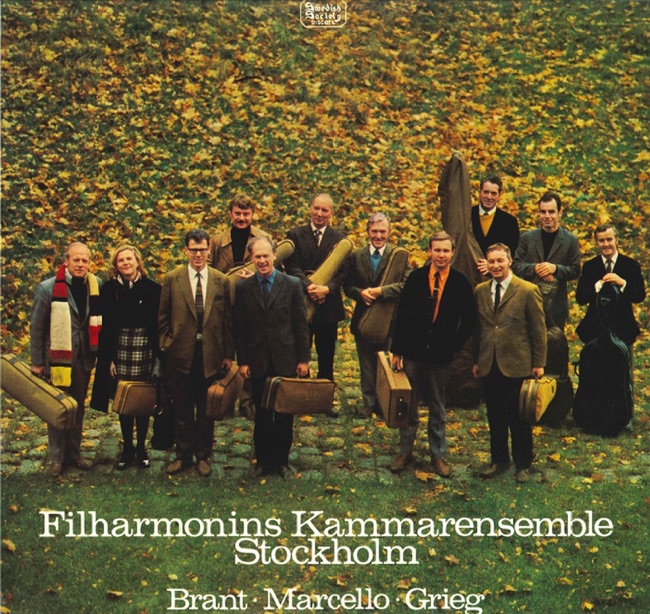 Filharmonins Kammarensemble StockholmAugust 1, 2014
 -
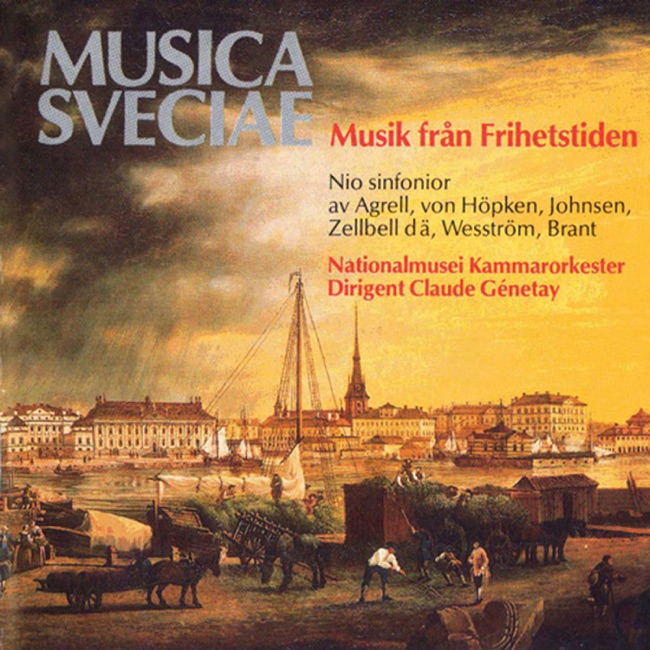
Works Info
Composer:Per BrantGenre:OrchestralStyle:SinfoniaAverage_duration:6:44Movement_count:3Movement ....Per Brant's 'Sinfonia in D' is a four-movement symphony that was composed in 1963. The piece was premiered on May 16, 1964, by the Swedish Radio Symphony Orchestra, conducted by Herbert Blomstedt. The first movement, marked Allegro, begins with a lively and energetic theme played by the strings. The theme is then passed on to the woodwinds and brass, creating a sense of excitement and anticipation. The movement features a number of contrasting sections, including a lyrical second theme and a more subdued middle section. The movement ends with a triumphant restatement of the main theme. The second movement, marked Andante, is a slow and contemplative piece that features a beautiful melody played by the strings. The melody is then taken up by the woodwinds and brass, creating a rich and complex texture. The movement builds to a powerful climax before subsiding into a quiet and reflective coda. The third movement, marked Scherzo, is a lively and playful piece that features a number of rhythmic and melodic motifs. The movement is characterized by its use of syncopation and irregular rhythms, creating a sense of unpredictability and excitement. The middle section of the movement features a more lyrical theme played by the strings, before returning to the playful main theme. The final movement, marked Allegro con fuoco, is a fast and energetic piece that brings the symphony to a thrilling conclusion. The movement features a number of virtuosic solos for the various sections of the orchestra, including a particularly impressive solo for the timpani. The movement builds to a powerful climax before ending with a triumphant restatement of the main theme from the first movement. Overall, Per Brant's 'Sinfonia in D' is a dynamic and exciting symphony that showcases the composer's skill in creating complex and engaging orchestral textures. The piece is characterized by its use of contrasting themes and motifs, as well as its energetic rhythms and virtuosic solos.More....