


Tomaso Albinoni
Poiché al vago seren di due pupille, Op. 4/11
Released Album
Recent Album
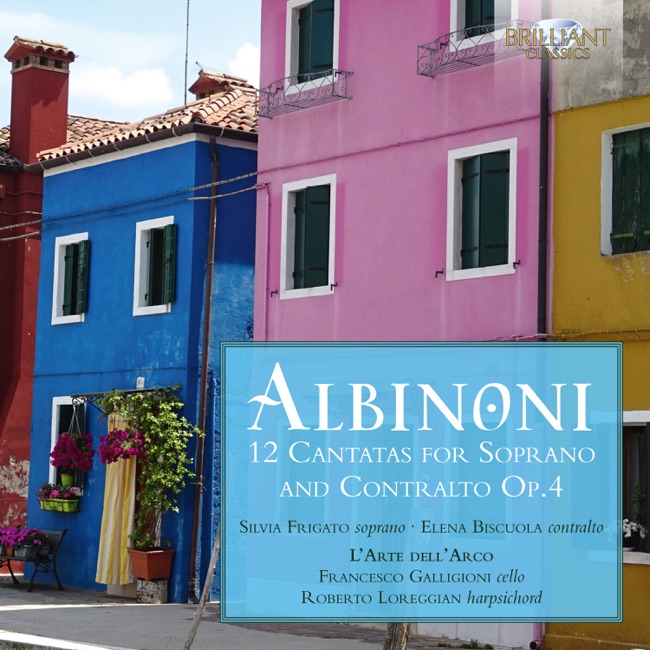
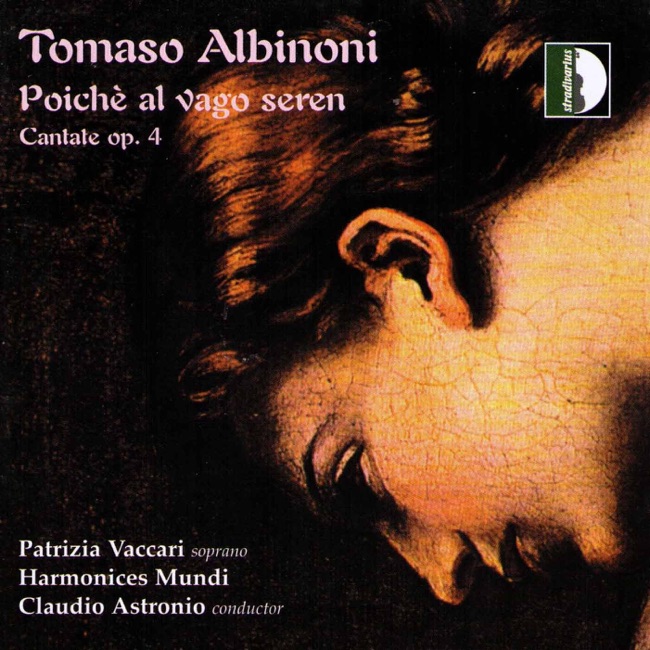
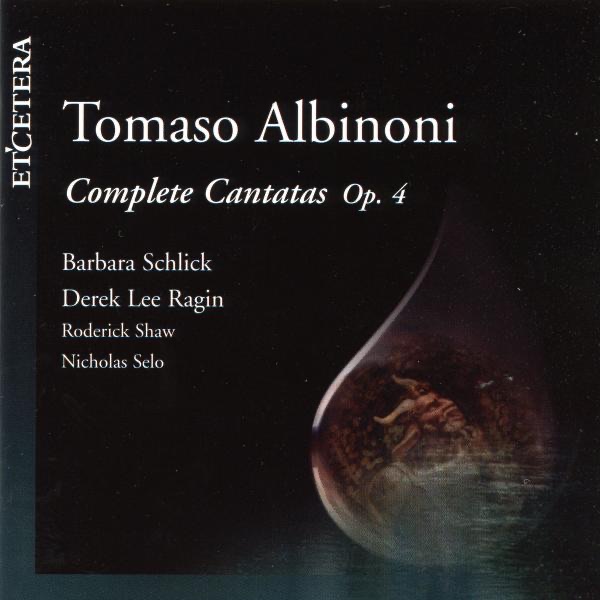
Works Info
Composer:Tomaso AlbinoniGenre:VocalStyle:CantataCompose Date:1702Publication Date:1702Average_duration:9:12'Poiché al vago seren di due pupille' is a vocal chamber cantata composed by Tomaso Albinoni. The piece was composed in the Baroque era and was first premiered in the early 18th century. The cantata is part of Albinoni's Opus 4 collection, which consists of twelve cantatas for solo voice and continuo. The cantata is divided into three movements, with the first and last movements being in A minor and the middle movement in A major. The first movement is an aria, which begins with a slow and melancholic introduction, followed by a faster and more lively section. The second movement is a recitative, which is more declamatory in nature and serves as a bridge between the two arias. The final movement is another aria, which is more upbeat and virtuosic than the first. The cantata is characterized by its expressive melodies, intricate harmonies, and virtuosic vocal writing. The vocal line is highly ornamented, with numerous trills, runs, and leaps, which showcase the singer's technical abilities. The continuo part is also highly embellished, with frequent use of suspensions, dissonances, and chromaticism. The text of the cantata is a love poem, which describes the beauty and allure of a woman's eyes. The music reflects the text's emotional content, with the first and last movements expressing the speaker's longing and desire, while the middle movement reflects on the fleeting nature of love. Overall, 'Poiché al vago seren di due pupille' is a beautiful example of Baroque vocal chamber music, showcasing Albinoni's skill as a composer and his ability to create expressive and virtuosic music.More....
Works Music
Released Music
2
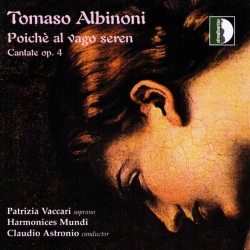
3:51
3
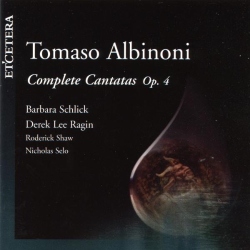
2:56