Johann Rosenmüller
Sonata No. 7 in D minor
Released Album
Recent Album
Featured Album
Works Info
Composer:Johann RosenmüllerGenre:ChamberStyle:Chamber MusicCompose Date:1682Average_duration:8:22Johann Rosenmüller's Sonata No. 7 in D minor is a Baroque instrumental work that was composed in the mid-17th century. The exact date of composition is unknown, but it is believed to have been written sometime between 1650 and 1660. The sonata is scored for two violins, viola da gamba, and continuo. The premiere of Sonata No. 7 in D minor is also unknown, but it is likely that it was first performed in a private setting, such as a salon or court. Rosenmüller was a prominent composer in his time, and his works were highly regarded by his contemporaries. It is possible that the sonata was performed at one of the many musical gatherings that took place in the courts and salons of Europe during the Baroque era. The sonata is divided into four movements, each with its own distinct character and mood. The first movement is marked Adagio and is in a slow, mournful style. The second movement is a lively Allegro, with a dance-like rhythm and playful melodies. The third movement is marked Adagio again, and is similar in style to the first movement, with a somber and introspective mood. The final movement is a fast and energetic Allegro, with virtuosic passages for the violin and viola da gamba. One of the characteristics of Rosenmüller's Sonata No. 7 in D minor is its use of counterpoint. The two violins often play in imitation of each other, creating a complex and intricate web of melodies. The viola da gamba and continuo provide a solid foundation for the upper voices, adding depth and richness to the overall sound. Another characteristic of the sonata is its emotional depth. Rosenmüller was known for his expressive and passionate music, and Sonata No. 7 in D minor is no exception. The slow movements are particularly poignant, with long, lyrical melodies that tug at the heartstrings. Overall, Johann Rosenmüller's Sonata No. 7 in D minor is a beautiful and complex work that showcases the composer's skill and artistry. Its use of counterpoint, emotional depth, and virtuosic passages make it a standout example of Baroque instrumental music.More....
Works Music
Released Music
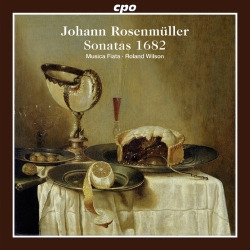
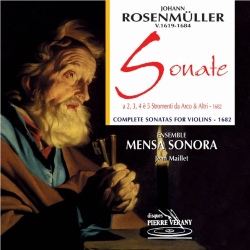
Featured Music